
In today’s competitive marketplace, businesses are constantly seeking innovative ways to retain customers and drive repeat purchases. One powerful solution is the implementation of loyalty programs that go beyond traditional single-brand schemes.
By joining forces with complementary businesses, companies can offer enhanced value propositions that address more aspects of their customers’ lifestyles and needs. This approach is especially relevant for shopping mall operators, real estate developers, and cross-brand alliances aiming to drive revenue and improve retention.
The rise of digital technology has made it easier than ever to implement and manage complex loyalty ecosystems, allowing even smaller businesses to participate in meaningful collaborations.
Key Takeaways
- Partner loyalty programs allow customers to earn and redeem rewards across multiple brands.
- These programs create a more valuable and convenient experience for customers.
- Businesses can drive revenue and improve retention through cross-partner loyalty strategies.
- Digital technology has simplified the implementation and management of loyalty ecosystems.
- Smaller businesses can now participate in meaningful cross-brand collaborations.
Understanding Partner Loyalty Programs
In the realm of customer loyalty, a new paradigm has emerged, shifting the focus from individual brand loyalty programs to collaborative partner loyalty initiatives. A Partner Loyalty Program, also known as a Coalition Loyalty Program, is a collaborative effort between multiple merchants or brands, creating a network that allows customers to earn and redeem points across different businesses within the alliance.
What Are Cross Program Rewards?
Cross program rewards function as a universal currency within the loyalty ecosystem, enabling members to accumulate points from purchases at one partner and use them for benefits at another. This creates a more flexible and valuable loyalty experience for customers. By leveraging cross-brand partnerships, businesses can accelerate reward accumulation and offer a more diverse range of redemption options.
Key benefits of cross program rewards include: enhanced customer engagement, increased loyalty, and a more personalized experience. As customers can earn and redeem points across multiple brands, their loyalty is no longer limited to a single brand.
Evolution from Single-Brand to Partner Loyalty
The shift from single-brand to partner loyalty programs reflects changing consumer expectations. Today’s customers seek more immediate gratification and diverse redemption options than traditional standalone programs can offer. Partner loyalty programs address this need by creating a shared rewards ecosystem that spans multiple brands.
This evolution has transformed the loyalty landscape, with businesses now focusing on building collaborative relationships to drive customer loyalty. By joining forces, brands can create a more comprehensive and appealing loyalty program that benefits both the customer and the businesses involved.
How Partner Brands and Cross Program Rewards Work
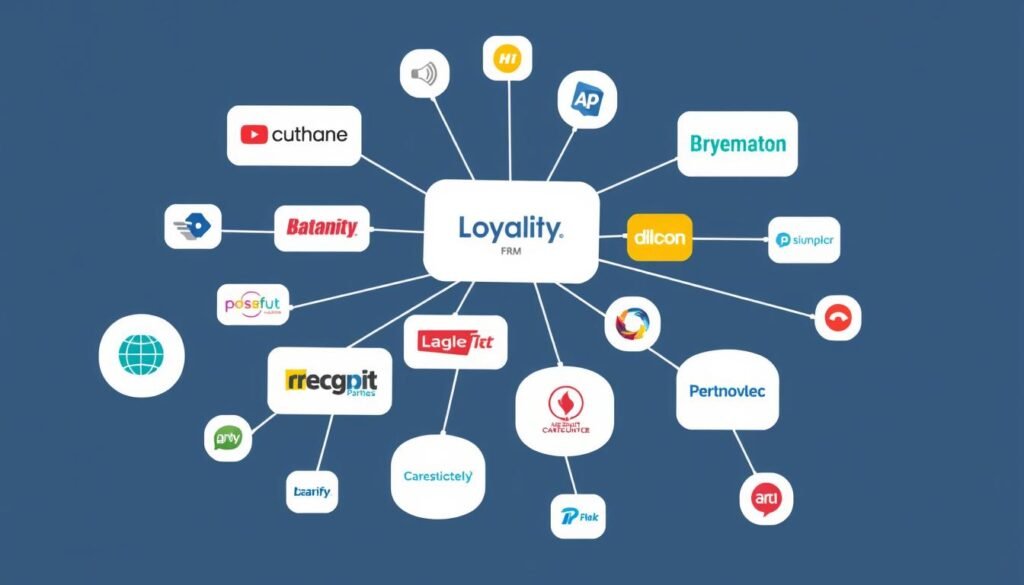
The mechanics behind partner brands and cross-program rewards reveal a complex ecosystem that benefits both businesses and customers. At its core, this system allows customers to accumulate and redeem points across multiple brands, creating a more engaging and rewarding experience.
The core feature of partner loyalty programs is that customers can accumulate and redeem points across multiple brands. No matter where they shop within the network, all points are credited to a single account, eliminating the limitations of single-brand programs. This cross-brand interoperability accelerates point accumulation, enabling members to earn rewards faster and increasing their engagement with the program.
Cross-Brand Points Sharing Mechanisms
At the heart of partner loyalty programs is a sophisticated points-sharing mechanism that allows seamless transfer of value between different businesses within the coalition network. When customers make purchases at any participating partner brand, they earn points in a centralized account that serves as the backbone of the unified membership system.
The technology infrastructure behind these programs must handle complex point conversion rates, as different partners may value points differently based on their profit margins and business models. This ensures that points are properly credited and can be redeemed across the network.
Unified Membership Systems
These unified membership systems typically operate through a shared technology platform that tracks customer activity across all partners, ensuring points are properly credited regardless of where transactions occur. Many successful partner programs feature a tiered structure where higher spending or engagement levels unlock premium benefits across all participating brands, creating additional incentives for customer loyalty.
The most effective cross-program rewards systems maintain a delicate balance between simplicity for customers and flexibility for partner brands, making it easy to understand how to earn and redeem points while allowing each brand to maintain its unique identity.
Benefits of Partner Loyalty Programs for Businesses
The benefits of partner loyalty programs for businesses are multifaceted, including enhanced customer retention and increased sales. By offering customers a more diverse and rewarding experience, businesses can strengthen their relationships with their customers and drive long-term growth.
Enhanced Customer Retention and Loyalty
Partner loyalty programs create powerful customer retention tools by increasing the perceived value of membership through diverse reward options. This leads to higher customer satisfaction and long-term engagement. When consumers can enjoy benefits across multiple brands under one program, they are more likely to remain active members.
Increased Sales and Higher Average Spend
Businesses participating in coalition loyalty programs often see higher average transaction values as customers consolidate their spending within the partner network to maximize point accumulation. This results in increased sales and higher average spend, driving revenue growth for businesses.
Access to Comprehensive Consumer Data
One of the most significant advantages for businesses is access to comprehensive consumer data from across the partner ecosystem. This provides insights into customer behavior beyond their own brand interactions, enabling more sophisticated customer segmentation and personalized marketing approaches.
By leveraging partner loyalty programs, businesses can improve customer loyalty, drive revenue growth, and gain valuable customer insights. With the ability to access comprehensive consumer data, businesses can make informed decisions to enhance their marketing strategies and improve campaign effectiveness.
Benefits for Consumers in Cross-Program Ecosystems
Consumers enrolled in cross-program ecosystems enjoy a more streamlined and rewarding experience. By participating in these ecosystems, customers can earn and redeem rewards across multiple brands, enhancing their overall loyalty experience.
Faster Rewards Accumulation
One of the primary benefits for consumers is the ability to accumulate rewards faster. Since everyday purchases across various sectors contribute to a single points balance, members see their points grow rapidly. This “earn everywhere” experience provides immediate gratification, bringing consumers closer to meaningful rewards. For instance, a consumer can earn points while grocery shopping, refueling, dining out, or booking flights, all contributing to the same loyalty program.
Diverse Redemption Options
Cross-program ecosystems offer consumers greater flexibility in redeeming their points. Unlike traditional single-brand discounts, these programs allow members to exchange their points for a variety of rewards. Consumers can choose from cash vouchers, free services, travel miles, or even charitable donations, providing them with diverse redemption options that suit their individual preferences and needs.
Elevated Lifestyle and Exclusivity
Many cross-program ecosystems create a sense of elevated lifestyle and exclusivity through tiered membership levels. As consumers progress through these levels, they unlock increasingly valuable benefits across all partner brands. This not only enhances their customer experience but also provides a sense of prestige and exclusivity. The simplicity of managing a single loyalty account rather than multiple cards and programs further streamlines the customer experience, making it more satisfying.
The best partner loyalty programs continuously evolve their offerings based on member feedback and behavior, ensuring that the rewards remain relevant and desirable over time. This adaptability is crucial in maintaining consumer engagement and satisfaction within the ecosystem.
Successful Partner Loyalty Program Examples
By partnering with other brands, companies can create loyalty programs that offer more comprehensive benefits to their customers. This approach not only enhances customer retention but also drives business growth through increased engagement and brand loyalty.
Starbucks Rewards and Delta SkyMiles Partnership
The partnership between Starbucks Rewards and Delta SkyMiles is a prime example of a successful cross-industry collaboration. By linking their accounts, customers can earn 1 mile for every $1 spent at Starbucks and double Starbucks stars when flying with Delta. This strategic alliance connects two daily habits—coffee consumption and travel—keeping both brands top-of-mind for their shared customer base.
yuu Rewards Ecosystem
The yuu Rewards ecosystem in Hong Kong demonstrates the power of a comprehensive partner loyalty program. By integrating diverse everyday spending categories, including supermarkets, convenience stores, and restaurants, yuu Rewards creates a cohesive rewards experience. Members can earn points at any merchant within the alliance and redeem them across participating brands for various rewards.
Asia Miles Multi-Industry Coalition
Asia Miles has evolved from a traditional airline loyalty program into a sophisticated multi-industry coalition. It connects travel, retail, dining, and financial services through a single rewards currency. This evolution allows members to earn and redeem points across various industries, enhancing the program’s value and stickiness.
These successful examples share common elements: they connect complementary businesses, offer substantial value to members, and create seamless experiences across partner touchpoints. By leveraging mobile app technology, these programs simplify the member experience, making it easy to track points, discover offers, and redeem rewards.
Implementing a Successful Cross-Partner Loyalty Strategy
A well-crafted cross-partner loyalty strategy is built on the foundation of clear program objectives and mutual benefits. To achieve this, businesses must work together to establish a cohesive plan that drives customer engagement and loyalty.
Defining Clear Program Objectives
Defining clear program objectives is the first step towards a successful cross-partner loyalty strategy. This involves identifying the primary goals of the program, whether it’s to acquire new customers, retain existing ones, or increase purchase frequency. Partners must collaborate to establish a shared value proposition that clearly communicates the enhanced benefits members receive compared to single-brand loyalty programs.
Establishing Fair Earning and Redemption Rules
Establishing fair earning and redemption rules is critical to ensure that all partners benefit equally from the program. The rules should balance simplicity for customers with flexibility for businesses, creating transparent point values that make sense across different price points and product categories. This transparency is vital to avoid disillusioning members.
Investing in Technology Infrastructure
Investing in robust technology infrastructure is non-negotiable for cross-partner programs. The system must seamlessly track points across multiple businesses while providing real-time updates to member accounts. A successful coalition loyalty program hinges on its technological framework, supporting both customer-facing elements and back-end data sharing and analysis capabilities.
By focusing on these key areas, businesses can create a cross-partner loyalty strategy that drives customer loyalty and retention, ultimately leading to increased sales and revenue.
Overcoming Challenges in Partner Loyalty Programs
While partner loyalty programs can drive customer engagement, they also come with their own set of challenges. Businesses must navigate these obstacles to ensure the success of their loyalty initiatives.
Integration Difficulties
One of the primary challenges in partner loyalty programs is integration difficulties. Each business typically has its own customer database, point system, and redemption processes that must be harmonized. These technical integration challenges often require significant investment in custom software development or third-party loyalty platforms. The complexity of aligning different technology platforms and systems used by partnering companies can be expensive and sophisticated.
Data Sharing and Privacy Concerns
Data sharing and privacy concerns represent another major hurdle. Partners must navigate complex regulations like GDPR and CCPA while sharing sufficient customer information to create a seamless experience. Establishing clear data governance policies is essential, with transparent communication to customers about how their information will be used across the partner network.
Balancing Rewards Across Partners
Balancing rewards across partners with different profit margins and price points can be particularly challenging. Partners must work together to ensure that rewards remain equitable across the program. Careful consideration of point values and redemption rates is necessary to prevent situations where points are disproportionately earned from one partner but primarily redeemed at another. Successful programs overcome these challenges through strong partnership agreements and regular program reviews.
By understanding and addressing these challenges, businesses can create effective partner loyalty programs that drive customer loyalty and retention.
Selecting the Right Partners for Your Loyalty Program

Selecting the ideal partners for your loyalty program involves a thorough understanding of your customers’ needs and preferences. Because 60-65% of strategic partnerships fail due to various reasons such as unrealistic expectations, inadequate communication, or lack of trust, it’s crucial to approach partner selection cautiously and thoroughly.
Brand Alignment Considerations
Brand alignment is crucial when selecting partners for your loyalty program. Potential partners should share similar values, quality standards, and target audience demographics to create a cohesive loyalty experience. For instance, a luxury brand should partner with other high-end businesses to maintain the perceived value of their rewards.
Key considerations include:
- Shared brand values
- Similar target audience demographics
- Comparable quality standards
Complementary vs. Competitive Partnerships
The most successful loyalty program partnerships often involve complementary rather than competitive businesses. This creates natural synergies that enhance the customer journey. For example, a high-end fitness studio might partner with a premium athletic wear brand and an organic meal delivery service to create a wellness-focused loyalty ecosystem.
Benefits of complementary partnerships include:
- Enhanced customer experience
- Increased loyalty program value
- Mutually beneficial cross-promotion
Partners should operate in similar price segments to ensure their customer bases are compatible and that rewards maintain consistent perceived value across the program. Geographic alignment is also important, particularly for businesses with physical locations, as partners should serve the same markets to maximize program convenience and utility.
Before formalizing any partnership, conduct thorough due diligence on potential partners’ financial stability, existing customer satisfaction levels, and technological capabilities to ensure they can fulfill their program obligations.
Leveraging Data for Personalized Cross-Program Experiences
By harnessing the power of data, businesses can create tailored experiences that significantly enhance customer engagement in loyalty programs. Partner loyalty programs leverage advanced data analytics and CRM systems to enhance operations. By aggregating transactional data from multiple brands, partner programs can construct comprehensive customer profiles.
Using Big Data for Customer Insights
Cross-brand data analysis helps identify consumer trends, such as preferred shopping categories and purchase frequency. Businesses can use these insights to refine product offerings or deliver highly targeted promotions. Partner loyalty programs generate vast amounts of cross-brand customer data that, when properly analyzed, can reveal deeper insights than single-brand programs ever could.
Key benefits of using big data for customer insights include: developing comprehensive customer profiles that include lifestyle preferences, spending patterns, and brand affinities; enabling sophisticated segmentation strategies that go beyond traditional demographic groupings; and revealing valuable correlations between seemingly unrelated purchase behaviors.
AI-Driven Reward Personalization
With the rise of AI and machine learning, vast amounts of coalition data can be harnessed for predictive analytics, enabling hyper-personalized rewards. AI-driven reward personalization represents the cutting edge of loyalty marketing, using machine learning algorithms to predict which rewards will most effectively motivate specific customer segments.
AI-driven personalization allows for: customized reward offerings, individualized point promotions, and targeted communications that reflect each member’s unique preferences and behaviors. The most sophisticated programs are now implementing real-time personalization, where offers and rewards adapt instantly based on location, time of day, weather conditions, and other contextual factors.
As privacy regulations evolve, successful programs must balance personalization with transparency, ensuring members understand how their data is being used while maintaining trust in the program.
The Future of Cross-Partner Loyalty Strategies
Cross-partner loyalty strategies are set to redefine the loyalty landscape by fostering deeper connections between brands and customers. The future of loyalty programs lies in innovative collaborations across previously unconnected industries.
We’re witnessing the emergence of purpose-driven loyalty ecosystems that unite brands around shared values like sustainability, wellness, or community impact. These ecosystems create deeper emotional connections with members, enhancing customer engagement and loyalty.
Financial services institutions are becoming the backbone of new loyalty coalitions, leveraging their transaction data and payment capabilities to create seamless earn-and-burn experiences. Mobile technology and blockchain will continue to drive innovation in cross-partner programs, offering location-aware offers, augmented reality experiences, and frictionless redemption options.
The most successful loyalty strategies will blend online and offline experiences, recognizing and rewarding members consistently. As consumer expectations for personalization rise, cross-partner programs will leverage AI and predictive analytics to anticipate member needs and deliver proactive reward suggestions.