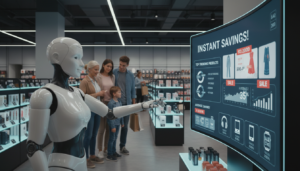
Finding the best prices online can feel like a full-time job. Prices change fast, and great offers can vanish in minutes. This is where automated helpers come into play.
These specialized software programs, known as shopping bots, are designed to scan the internet constantly. They monitor countless retailers and platforms for you. Their main goal is to find the best promotions and discounts as soon as they appear.
This technology removes the need for manual price comparison. Instead of visiting many websites, a single bot can do the heavy lifting. It provides a major advantage in today’s fast-paced digital marketplace.
The best part is the instant notification. When a bot finds a deal that matches your criteria, it alerts you immediately. This real-time tracking ensures you never miss a limited-time opportunity.
Understanding how this process works is key to smarter, more efficient online purchasing. It empowers consumers to maximize savings with minimal effort.
Key Takeaways
- Automated software constantly scans for price drops and promotions.
- They eliminate the tedious task of manually checking different stores.
- Real-time alerts ensure you are notified of deals instantly.
- This technology provides a significant advantage in the fast-moving e-commerce world.
- Using these tools leads to smarter purchasing decisions and greater savings.
- They track inventory levels to alert you before popular items sell out.
Understanding the World of Shopping Bots
A new class of digital assistants has emerged to navigate the vast world of online retail. These automated programs are designed to streamline the entire consumer experience.
Definition and Evolution in E-Commerce
At its core, a shopping bot is AI-powered software. It began as simple scripts for basic price comparisons. Over time, this technology evolved significantly.
Early tools could only find products. Modern versions are far more sophisticated. They now understand natural language and learn user preferences.
Today’s advanced systems can handle complex tasks. This includes everything from initial product research to completing the final checkout. This evolution marks a major shift in the e-commerce landscape.
The Rise of Automated Assistance
Consumers and businesses increasingly rely on this automation. The demand for instant, personalized service drives this trend. These tools offer 24/7 availability that humans cannot match.
They manage reservations, track shipments, and provide support. This level of assistance transforms how people discover and buy products. It meets modern expectations for speed and convenience.
This technology represents a fundamental change. Automation and AI are now essential parts of a competitive digital marketplace. They empower users to make smarter, faster decisions.
Shopping Bots Explained: What They Are and How They Function
The digital marketplace now features AI-powered helpers that simulate human conversations. These intelligent programs serve as virtual customer service representatives available around the clock.
Automation Process and AI Integration
These automated assistants connect directly to product databases and inventory systems. They access real-time pricing and availability information through advanced APIs.
Natural Language Processing (NLP) allows the software to understand user intent accurately. Machine Learning technologies enable continuous improvement based on each interaction.
The system learns individual preferences over time. This creates increasingly personalized recommendations for every customer.
User Interaction and Conversational Flow
Engagement begins with natural dialogue that feels human-like. The program asks clarifying questions to narrow down product choices effectively.
These AI assistants guide users from initial consideration to final purchase. They provide relevant information and answer common questions instantly.
The conversational flow maintains engagement throughout the shopping journey. This creates a seamless experience that converts browsers into buyers efficiently.
Real-Time Deal Tracking: Technology Behind Price Comparisons
The engine behind instant deal discovery lies in sophisticated data processing systems. These tools continuously scan multiple e-commerce platforms for price fluctuations. They provide immediate updates when favorable changes occur.
Advanced monitoring technology collects pricing data from various websites simultaneously. This creates a comprehensive view of market conditions. The system compares current prices against historical trends to identify genuine deals.
Data Analytics and Dynamic Monitoring
These programs use backend databases to store pricing information over extended periods. This historical data helps identify patterns and predict future discounts. The analysis determines optimal purchasing times for maximum savings.
Inventory tracking represents another crucial function. These systems monitor stock levels across different retailers. They alert users when limited edition items become available or popular products restock.
Leveraging AI for Instant Price Matching
Machine learning algorithms analyze vast amounts of pricing data. They recognize when products reach their lowest price points. This intelligence enables accurate predictions for upcoming sales events.
Discount tracking programs send immediate notifications through various channels. Users receive alerts when prices drop below set thresholds. This ensures shoppers never miss limited-time opportunities.
The technical infrastructure refreshes product data continuously. It compares prices across platforms and delivers instant information. This empowers consumers to make informed purchasing decisions quickly.
Enhancing Customer Experience with Automated Shopping Assistance
Modern consumer expectations have completely transformed the landscape of retail support systems. Today’s customers demand immediate answers and personalized attention that traditional methods struggle to provide.
Research reveals the urgency of this shift. A HubSpot study found that 82% of consumers want instant responses to marketing questions. Even more significantly, 90% expect immediate answers to customer service queries.
This represents a dramatic power shift from businesses to consumers. Gone are the days of 48-hour response windows. Today’s marketplace requires 24/7 availability that only automated systems can reliably deliver.
24/7 Availability and Personalized Service
Automated assistants ensure customers receive support at any hour without delays. They eliminate the frustration of waiting for human agents to become available.
These intelligent systems remember individual preferences and purchase history. They provide tailored recommendations that improve with each interaction. This creates a truly customized experience for every user.
The impact on purchasing behavior is measurable. Studies show that customers who engage with automated assistants buy more frequently. They enjoy smoother transactions and faster problem resolution.
Consumers increasingly prefer messaging over phone calls for customer service. Automated systems meet this preference through familiar conversational interfaces. They guide users from product discovery to checkout with minimal friction.
This technology removes common pain points like long waits and limited support hours. It creates a more enjoyable and efficient journey for modern shoppers.
Implementing Bots for Seamless Checkout and Inventory Management
Efficient e-commerce operations depend on automated systems that manage both customer transactions and product availability seamlessly. These tools transform how companies handle the critical final steps of online purchasing.
Integration with E-Commerce Platforms
Major retail platforms like Shopify, WooCommerce, and Amazon provide API access for smooth system integration. This connection allows automated tools to sync with product databases and order management systems effectively.
Creating fully automated purchasing systems presents technical challenges. Anti-bot measures, credit card verification, and CAPTCHA systems require careful navigation. Many businesses implement partial automation that handles the checkout process up to the final verification step.
These systems then send timely notifications via email, SMS, or mobile alerts. This approach reduces cart abandonment by reminding customers to complete their purchases. It maintains security while streamlining the transaction process.
Inventory management represents another crucial application. Automated tracking monitors stock levels across multiple websites in real time. This helps businesses avoid overselling and identify popular items quickly.
Strategic implementation includes monitoring competitor availability and product demand. Combined with ordering automation, these tools enable smart purchasing decisions. They help companies acquire remaining stock before it sells out elsewhere.
The technical setup requires API access, payment gateway compatibility, and secure data handling. Proper integration ensures these systems enhance both customer experience and operational efficiency simultaneously.
Successful Case Studies and Industry Examples
Leading companies across multiple sectors have successfully integrated conversational commerce tools into their customer engagement strategies. These real-world implementations demonstrate measurable improvements in customer satisfaction and sales performance.
Real-World Applications in Retail
Whole Foods Market employs a Messenger bot on Facebook that guides customers through four distinct paths. Users can search for recipes, browse existing collections, find store locations, or contact the company directly.
Seattle Ballooning uses an automated assistant that walks customers through the entire booking process. The system asks about balloon hire purposes, then provides reviews, photos, and reservation options.
Pura Vida Bracelets implements a retargeting strategy through Messenger. The program offers 20% discount codes for items customers added to carts but didn’t purchase.
Insights from Leading E-Commerce Brands
Paleo Robbie’s simple Messenger bot serves over 90,000 customers with weekly promotion alerts. This demonstrates how businesses can maintain regular engagement through automated communication.
SnapTravel operates across multiple platforms including Facebook Messenger, SMS, and WhatsApp. This multi-channel approach helps users find optimal hotel deals through their preferred communication method.
eBay’s ShopBot experiment allowed natural language product searches using plain-text responses. Research shows consumers using on-site search features are 216% more likely to convert than those who don’t.
These examples highlight how different industries leverage automated tools to enhance customer experiences. The technology drives significant improvements in conversion rates across various business models.
Maximizing Savings: Tips and Strategies for Shoppers
Smart consumers are discovering powerful strategies to maximize their savings using automated deal-finding tools. These techniques help people secure the best prices on desired items without constant manual searching.
Exclusive Discounts and Deal Alerts
Setting up personalized alerts ensures you never miss limited-time promotions. Many automated tools scan multiple websites simultaneously for coupon codes and special sales.
These systems can monitor your cart across different retailers. They send reminders when prices drop on items you considered purchasing. This approach helps shoppers capture exclusive member-only offers that might otherwise go unnoticed.
Monitoring Limited Edition Releases and Restocks
Specialized tracking is essential for high-demand products that sell out quickly. Automated systems provide immediate notifications when limited edition items become available.
This technology monitors inventory levels across various platforms. It alerts users the moment popular products restock. This gives people a significant advantage in securing rare collectibles and sneakers.
The best way to leverage these tools involves customizing your alert preferences. Choose notification methods that work for your lifestyle, whether through email, SMS, or app alerts.
Conclusion
The digital marketplace continues evolving at an unprecedented pace. These automated tools have become essential for modern consumers and businesses alike.
Shoppers gain significant advantages through real-time deal tracking and inventory monitoring. They receive instant alerts about price drops and product availability. This technology helps people make smarter purchasing decisions while saving time and money.
For companies, these systems provide 24/7 customer support without requiring additional agents. They streamline operations and enhance the overall shopping experience. The benefits extend to both sides of the transaction.
As AI technology advances, these assistants will become even more sophisticated. They will offer increasingly personalized recommendations and seamless purchasing options. Understanding this technology is crucial for anyone participating in today’s e-commerce landscape.
The future of online retail lies in intelligent automation that serves all stakeholders effectively.