
Have you ever wondered why some price tags end in .99 while others show clean dollar amounts? This common retail practice involves adjusting numbers to specific decimal endings. Businesses use this approach to influence how shoppers view their offerings. The psychological impact of different price endings is significant. Consumers often perceive $9.99 as much cheaper …

Have you ever bought something online because it seemed like a great deal? You saw a high original cost next to a much lower sale tag. This common situation taps into a powerful mental shortcut known as the anchoring effect. Research by Tversky and Kahneman shows our brains tend to latch onto the first piece …
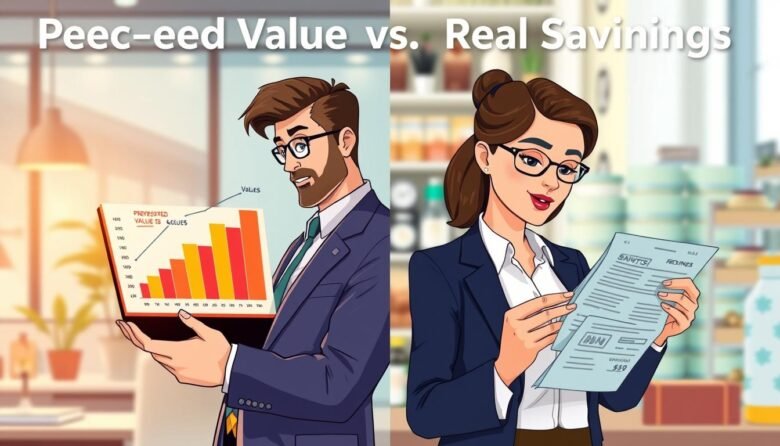
When you buy something, the price tag shows the cost. But the true reason you purchase goes deeper. It’s about what you believe you are getting in return. This idea is crucial for both shoppers and companies. One concept focuses on the actual money you keep in your pocket. The other is about the total …

Have you ever felt a little rush of excitement when you see a sale tag? That old price with a line through it tells a powerful story. It instantly shows you are getting a better deal today. This method is one of the oldest and most effective persuasion tools in commerce. In 2025, this simple …

Have you ever seen a price and instantly known it was a great deal? That feeling often comes from reference pricing. This powerful concept shapes how we view the cost of everything from a cup of coffee to a new car. Businesses use this method as a core strategy. They set a mental anchor point …

Have you ever noticed how limited-time offers make you act quickly? This psychological response drives faster buying decisions. Businesses use this principle to help customers move from consideration to action. The human brain naturally responds to time pressure. When people feel they might miss an opportunity, they become more decisive. This instinct helps explain why …

Have you ever wondered why one price offer feels like a better deal than another, even when the savings are the same? The answer lies in the powerful world of discount framing psychology. This concept explores how the simple presentation of a price reduction can dramatically influence our purchasing decisions. It’s not just about the …
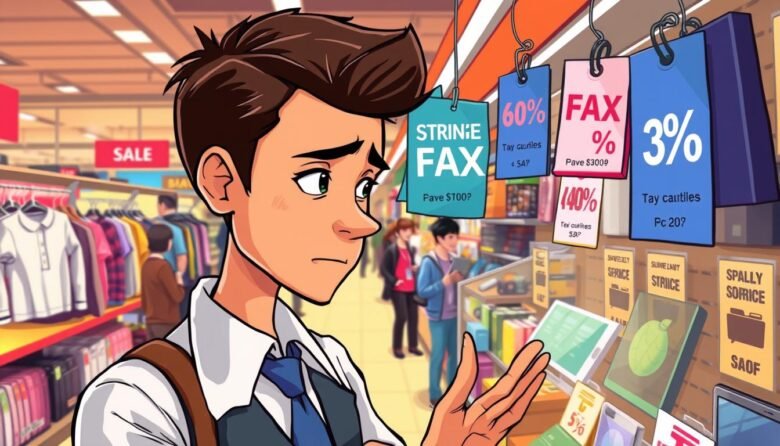
American shoppers face constant bombardment with seemingly incredible deals. Store displays scream “SALE! 60% OFF!” and “Black Friday Specials” that promise massive savings. Many of these offers aren’t genuine markdowns at all. Research from Consumers’ Checkbook reveals a troubling pattern. Their six-month study tracked 25 major retailers across the United States. The findings show most …
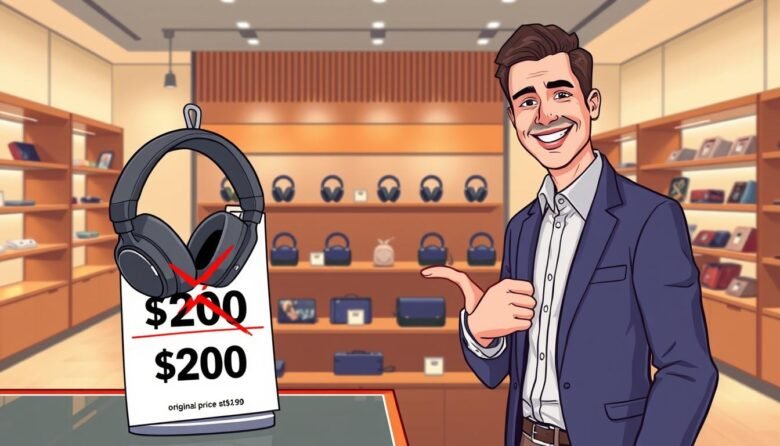
Have you ever seen a slashed-through original cost next to a sale tag? That crossed-out number is more than just old information. It is a powerful tool in retail. This method is known as price anchoring. It works by setting a high reference point. This initial figure shapes how we view the final selling figure. …

Price promotions with expiration dates are among the most reliable marketing methods. Businesses worldwide use discount coupons, sales, and flash deals. The “limited-time” aspect is a key part of their design. While what’s on sale and the discount level attract customers, the expiration date influences when they buy. A carefully chosen window acts as a …