
In today’s market, businesses are increasingly using dynamic pricing to adjust prices in real-time based on demand, competition, and inventory levels. This shift has created both opportunities and challenges for consumers looking to snag the best deals.
Understanding how pricing works is crucial for making informed purchasing decisions. By grasping the mechanics behind dynamic pricing systems, consumers can identify when prices are at their lowest.
As a customer in this market, being aware of the patterns and triggers behind price changes can give you a significant advantage. This comprehensive guide will explore the science behind pricing fluctuations and provide practical strategies to time your purchases perfectly.
Key Takeaways
- Understand how dynamic pricing systems work.
- Learn to identify when prices are at their lowest.
- Discover practical strategies for timing purchases.
- Gain a significant advantage as a consumer in today’s market.
- Potentially save hundreds or thousands of dollars on major purchases.
What Is Dynamic Pricing?
Understanding dynamic pricing is essential for both businesses and consumers in today’s economy. Dynamic pricing, also referred to as surge pricing or demand pricing, involves adjusting prices in real-time based on various factors such as market demand, supply levels, competitor actions, and customer buying behaviors. This approach enables businesses to maximize revenue opportunities as demand fluctuates or market conditions change.
The Core Concept of Price Flexibility
At its core, dynamic pricing is about flexibility. Prices aren’t fixed; instead, they respond to various factors including supply, demand, competitor actions, and even individual customer behavior. This pricing strategy allows businesses to charge what the market will bear at any given moment, capturing the highest possible value during peak periods. Unlike traditional pricing models where prices might change weekly or monthly, dynamic pricing systems can adjust prices multiple times per day or even hourly.
Key Factors That Influence Dynamic Price Changes
Several key factors influence dynamic price changes, including inventory levels, time of day or season, competitor pricing, customer browsing history, and overall market demand. By analyzing these factors, businesses can implement an effective dynamic pricing strategy that maximizes revenue. For instance, during periods of high demand, businesses can increase prices to capture the maximum value, while during low-demand periods, they can lower prices to stimulate sales.
In conclusion, dynamic pricing is a sophisticated pricing strategy that allows businesses to adapt to changing market conditions in real-time. By understanding the factors that influence price changes, businesses can make informed decisions to adjust prices and stay competitive.
How Dynamic Pricing Actually Works
At its core, dynamic pricing is about using real-time data to make informed pricing decisions. This approach allows businesses to stay competitive by adjusting prices according to current market conditions.
The Three-Step Process Behind Price Adjustments
The dynamic pricing system operates through a sophisticated three-step process. First, it gathers extensive data from multiple sources, including sales history, competitor pricing, and customer behavior patterns. This data is then fed into advanced pricing algorithms that analyze patterns and identify opportunities.
The algorithms calculate optimal price points based on predefined business rules and objectives. This step is crucial as it ensures that the pricing strategy is aligned with the company’s goals.
Data Collection and Analysis in Real-Time
Real-time data collection is a critical component of dynamic pricing. Modern pricing systems continuously gather data from various sources, including website traffic, inventory management systems, and competitor websites. External factors like weather or local events that might impact demand are also considered.
The collected data is analyzed to identify trends and patterns, enabling businesses to make informed decisions about their pricing. The final step involves automatic price adjustments across all sales channels, ensuring consistent pricing that reflects current market conditions.
Major Types of Dynamic Pricing Models
Dynamic pricing strategies are not one-size-fits-all; they vary significantly across industries and companies. Businesses use various models to optimize their pricing, reflecting the complexity of their markets and customer behaviors.
Time-Based Pricing Strategies
Time-based pricing adjusts prices according to predictable patterns in demand throughout the day, week, or year. For instance, hotels often charge higher rates on weekends, while movie theaters offer discounted tickets for matinee showings. This time-based pricing strategy helps businesses capitalize on varying demand levels.
Demand-Based Pricing Models
Demand-based pricing models directly respond to current customer interest levels. Prices rise when demand surges and fall when interest wanes. For example, airline tickets typically become more expensive as flights fill up, illustrating a direct response to customer demand. This approach allows businesses to maximize revenue during peak periods.
Competition-Based Pricing Approaches
Competition-based pricing involves continuously monitoring what rivals are charging and automatically adjusting prices to maintain a specific market position. Companies may choose to match competitors exactly, stay just below them, or maintain a premium position. This strategy ensures businesses remain competitive in their respective markets.
Personalized and Segmented Pricing
Personalized and segmented pricing tailors offers to different customer groups based on their browsing history, purchase patterns, loyalty status, or demographic information. By leveraging customer data, businesses can create targeted pricing strategies that resonate with specific segments, enhancing customer engagement and loyalty.
Most businesses don’t rely on just one model but instead blend multiple approaches into a comprehensive dynamic pricing strategy that considers time, demand, competition, and customer segments simultaneously. This integrated approach enables companies to adapt to complex market dynamics and optimize their pricing for maximum revenue.
Industries Where Dynamic Pricing Is Most Common
Several key industries have adopted dynamic pricing as a core component of their revenue management strategies. These businesses use dynamic pricing to maximize their revenue by adjusting prices in real-time based on various market and consumer factors.
Travel and Hospitality Pricing Patterns
The travel and hospitality industry pioneered dynamic pricing, with airlines and hotels constantly adjusting prices based on booking patterns, seasonality, and remaining inventory. This approach allows them to maximize revenue per available seat or room. Airlines, for instance, use yield management to adjust fares based on seat availability and booking patterns.
E-commerce and Retail Price Fluctuations
E-commerce giants like Amazon change prices millions of times daily, with some products seeing price fluctuations of 10% or more within a single day. These changes are made in response to competitor actions, inventory levels, and browsing patterns, demonstrating the sophisticated use of dynamic pricing in e-commerce.
Entertainment and Event Ticketing
Entertainment venues and ticket sellers implement sophisticated pricing models where ticket prices rise or fall based on artist popularity, remaining seat inventory, and proximity to the event date. This dynamic pricing strategy helps maximize revenue from ticket sales.
Ride-Sharing and Transportation Services
Ride-sharing services like Uber and Lyft use surge pricing during periods of high demand, sometimes multiplying base fares by 2-3x during peak hours or special events. This approach helps balance supply and demand in real-time.
These industries have embraced dynamic pricing because they share common characteristics: perishable inventory, variable demand patterns, and customers with different price sensitivities and purchasing timeframes. By leveraging dynamic pricing, businesses in these sectors can optimize their revenue and respond effectively to changing market conditions.
The Technology Behind Dynamic Pricing
The backbone of dynamic pricing lies in its sophisticated technology infrastructure.
Modern dynamic pricing relies heavily on artificial intelligence (AI) and machine learning algorithms that can process vast amounts of data to identify pricing opportunities that human analysts might miss.
AI and Machine Learning Applications
AI expands what’s possible in dynamic pricing by enabling pricing systems to go beyond rule-based logic, learning from data, identifying patterns, and refining in ways that humans can’t at scale.
These AI models can detect subtle correlations, such as how certain products peak in demand after specific events or news stories. The global market for AI in e-commerce is expected to grow significantly, from about $7.3 billion in 2024 to about $64.0 billion by 2034.
Automated Price Adjustment Systems
Automated price adjustment systems can make thousands of pricing decisions per minute, pushing updates across all sales channels instantly without human intervention.
The technology stack typically includes data collection tools that monitor competitor pricing, web scraping utilities that track market trends, and sophisticated pricing engines that calculate optimal price points.
As AI capabilities advance, pricing systems are becoming increasingly predictive rather than just reactive, anticipating demand shifts before they happen and positioning prices accordingly.
How to Identify When Dynamic Pricing Is Being Used
Identifying dynamic pricing can be a game-changer for savvy consumers looking to save money. Dynamic pricing is a sophisticated strategy used by businesses to adjust prices based on various factors, including demand, competition, and customer behavior.
Recognizing when dynamic pricing is in play gives you a significant advantage as a consumer. Several telltale signs can indicate its use, including prices that change frequently without obvious sales or promotions.
Telltale Signs of Price Fluctuations
Some key indicators include sudden price increases during high-demand periods, such as holidays or weekends, or when stock levels drop below certain thresholds. Different prices shown when browsing from different devices, locations, or after clearing your cookies also suggest personalized dynamic pricing based on your browsing history or customer profile.
Website messaging that creates urgency, like “Only 2 rooms left at this price!” or “5 other people are looking at this item,” frequently accompanies dynamic pricing strategies.
Tools to Track Price Changes Over Time

To monitor price histories and identify patterns, you can use specialized browser extensions and price tracking websites. These tools reveal the best times to make your purchase based on historical pricing data, helping you make informed decisions.
By being aware of these signs and utilizing the right tools, you can navigate the market more effectively and potentially save money.
Dynamic Pricing, Discount Drops, and Timing Strategy: Consumer Tactics
The key to beating dynamic pricing lies in understanding its patterns and leveraging that knowledge to snag the best deals. Consumers who master the art of timing their purchases can significantly benefit from the fluctuations in prices. This involves being aware of the various factors that influence price changes and using that information to make informed purchasing decisions.
Understanding Price Patterns and Cycles
Mastering the timing of your purchases requires understanding the predictable patterns and cycles that influence dynamic pricing across different product categories and industries. By recognizing these patterns, consumers can anticipate and prepare for potential price drops. For instance, certain products follow a regular cycle of price reductions during specific times of the year.
Seasonal Buying Strategies
Seasonal buying strategies involve recognizing when demand naturally peaks and valleys throughout the year. For example, purchasing winter clothing in spring or booking summer vacations in January can lead to significant savings as prices typically drop during these off-peak seasons. Being aware of these seasonal trends can help consumers plan their purchases strategically.
Time-of-Day and Day-of-Week Considerations
Time-of-day and day-of-week patterns can significantly impact pricing. Studies have shown that airline tickets are often cheapest on Tuesday afternoons, and hotel rooms frequently drop in price on Sunday evenings. Understanding these temporal patterns can help consumers time their purchases to coincide with the lowest prices.
Supply and Demand Indicators to Watch
Monitoring supply and demand indicators is crucial for timing purchases correctly. Inventory levels, visible through “items remaining” notifications, competitor stock status, and upcoming product releases are all worth watching. These indicators can signal potential price drops for current models, allowing consumers to make informed decisions.
The most successful timing strategy combines patience with preparation – knowing both when prices historically drop and setting up alerts to notify you the moment those discount drops occur. By understanding dynamic pricing patterns, employing seasonal buying strategies, considering time-of-day and day-of-week pricing variations, and monitoring supply and demand indicators, consumers can significantly reduce their expenses and make the most out of their purchases.
Practical Tools and Techniques for Price Monitoring
As dynamic pricing continues to evolve, shoppers must adapt by leveraging cutting-edge tools and techniques to track prices effectively. In this section, we’ll explore the most practical tools and techniques for monitoring price changes.
Browser Extensions for Price Tracking
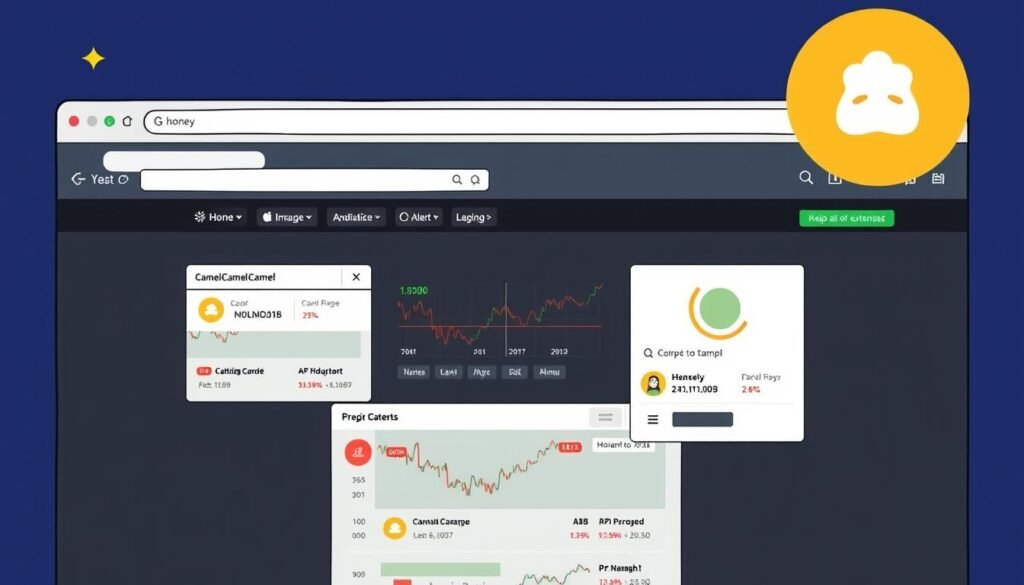
Browser extensions have revolutionized the way we track prices online. Tools like Honey, CamelCamelCamel, and Keepa have made it easier to monitor product pages and receive alerts when prices drop to the desired level.
Price History Websites and Services
Price history websites like PriceGraph and Camelizer provide extensive databases of pricing information across major retailers. These platforms enable consumers to view months or even years of price fluctuations before making a purchase decision.

Setting Up Price Drop Alerts
Setting up customized price drop alerts ensures that consumers never miss a deal. These alerts can be delivered via email, text, or push notifications the moment a product hits the target price point.
To maximize the effectiveness of price monitoring, it’s essential to combine multiple tools—using browser extensions for daily browsing, price history sites for research, and alerts for specific high-value items.
Advanced Strategies to Beat Dynamic Pricing
To outsmart dynamic pricing, savvy shoppers employ advanced strategies that turn the algorithms to their advantage. By understanding how these systems track and respond to customer behavior patterns, consumers can make informed purchasing decisions.
Advanced consumers can turn dynamic pricing algorithms to their advantage by understanding how these systems track and respond to customer behavior patterns.
Using Multiple Devices and Accounts
Using multiple devices and accounts can reveal different price points for the same product, as pricing algorithms often show different offers based on browsing history and perceived customer willingness to pay. This strategy allows consumers to compare prices across various platforms.
Leveraging VPNs and Location Services
Leveraging VPNs and location services allows you to appear as if you’re shopping from different geographic regions, potentially accessing better pricing in markets where competition is fiercer or local demand is lower. For instance, using a VPN to shop from a different country might reveal lower prices due to varying market conditions.

Timing Your Purchases Strategically
Strategic timing of purchases involves deliberately abandoning shopping carts (which often triggers follow-up discounts), clearing cookies before finalizing transactions, and shopping during off-peak hours when demand-based algorithms may lower prices. Understanding competitor pricing dynamics gives you leverage – some retailers will match or beat competitor prices if you can demonstrate the price difference.
By employing these strategies, consumers can effectively navigate and counter dynamic pricing models, ensuring they secure the best possible deals.
Real-World Examples of Successful Price Timing
Businesses and consumers alike can benefit from mastering dynamic pricing strategies. By understanding how dynamic pricing works, companies can optimize their revenue, while consumers can make significant savings.
Case Studies in Travel Booking
Travelers who understand dynamic pricing can save substantially on flights and hotels. For instance, one frequent traveler saved over $3,000 annually by booking flights on Tuesdays at 3 pm, about 6-8 weeks before departure. This strategic timing was identified through analyzing three years of fare data, demonstrating the potential for significant savings in sales.
Retail Success Stories
Retail consumers can also benefit from dynamic pricing by using price tracking tools to identify optimal purchase windows. Strategic shoppers have found that prices for big-ticket electronics often drop significantly about six weeks after product launches and again just before newer models are announced, improving their profit margins.
By leveraging these insights, businesses can enhance their revenue growth, and consumers can make more informed purchasing decisions, ultimately driving sales and benefiting both parties in the transaction.
The Future of Smart Shopping in a Dynamic Pricing World
As we navigate the ever-changing landscape of dynamic pricing, it’s clear that the future of smart shopping is on the horizon. The increasing sophistication of dynamic pricing models will require consumers to adopt advanced tools to stay competitive in the marketplace.
With the help of AI assistants that monitor market conditions and execute purchases at optimal prices, consumers will be better equipped to handle supply demand fluctuations. As dynamic pricing becomes more transparent, consumers will gain greater visibility into the factors driving price changes, including surge pricing and discount opportunities.
To stay competitive, consumers must leverage technology to time purchases strategically, ensuring they’re buying at the lowest possible moment. By embracing dynamic pricing and using it to their advantage, savvy shoppers will thrive in this new landscape.