In today’s fast-paced shopping environment, finding the best prices on products can be overwhelming. Savvy shoppers need to effectively compare offers across multiple retailers to maximize their savings.
The ability to make informed purchasing decisions is crucial in today’s complex retail landscape. With the help of modern technology and specialized apps, consumers can now track and compare deals more efficiently than ever before.
This comprehensive guide will walk you through smart strategies for comparing prices and offers across various retailers, both online and in physical stores, helping you become a smarter shopper.
Key Takeaways
- Understand the importance of price comparison in maximizing savings.
- Learn how to effectively use technology to track and compare deals.
- Discover strategies for making informed purchasing decisions.
- Explore the benefits of using specialized apps for deal comparison.
- Develop a systematic approach to getting the best value for your purchases.
The Evolution of Flash Deal Shopping in 2025
As we navigate the ever-changing landscape of retail in 2025, it’s clear that flash deal shopping has undergone a significant transformation. The way consumers hunt for deals has become more sophisticated, driven by advancements in technology and changes in shopping behaviors. This evolution has led to both opportunities and challenges for shoppers.
Why Flash Deals Have Become More Complex
Flash deals have become more complex due to the increasing number of retailers, deals, and price points available. This complexity is further compounded by the constant availability of price information, making it necessary for shoppers to be more vigilant than ever. The result is a paradox where more options lead to more stress rather than satisfaction.
Many consumers report feeling anxious about making purchases, worried that a better deal might be available elsewhere or might appear shortly after they buy. This anxiety is a direct result of the overwhelming number of choices and the ease of comparing prices across multiple platforms.
The Challenge of “Search Fatigue” in Modern Shopping
The irony of modern shopping is that the simpler it gets, the harder it feels. Raluca Ursu, a marketing professor at NYU Stern, calls this phenomenon “search fatigue.” It describes the mental exhaustion that comes from constantly comparing prices across multiple platforms.
Mobile technology has made price comparison a 24/7 activity, with many shoppers checking prices everywhere—from store aisles to their own bathrooms. This constant comparison can diminish the satisfaction derived from finding good deals, creating a negative shopping experience.
Learning to manage search fatigue is becoming an essential skill for maintaining a healthy relationship with shopping in the digital age. By understanding the dynamics of flash deal shopping and leveraging the right tools, consumers can mitigate the negative effects of search fatigue and enjoy a more satisfying shopping experience.
Understanding the Mechanics of Comparing Flash Deals Across Stores
The art of finding the best flash deals requires more than just browsing multiple store websites; it demands a deep understanding of price comparison mechanics. To make informed purchasing decisions, shoppers need to grasp how price comparison platforms operate and the technology that drives them.
How Price Comparison Platforms Gather and Process Data
Price comparison platforms gather and process vast amounts of data from various retailers, using sophisticated technology stacks to handle the complex task. These platforms employ distributed computing systems capable of processing massive amounts of data quickly, ensuring that prices are updated in real-time.
Many leading price comparison platforms also utilize artificial intelligence (AI) and machine learning algorithms to predict price changes and identify patterns in retailer pricing strategies. This enables shoppers to stay ahead of the curve and make informed purchasing decisions.
The Technology Behind Real-Time Price Updates
The technology behind real-time price updates is multifaceted, involving several key components. API integrations with major retailers allow for direct access to pricing databases, enabling instantaneous updates when prices change at the source. Additionally, cloud computing infrastructure enables comparison platforms to scale their processing capacity during high-traffic periods, such as Black Friday or Cyber Monday.
Furthermore, push notification systems alert users to price drops on watched items, eliminating the need for manual checking and reducing search fatigue. Understanding the technical infrastructure behind real-time updates helps shoppers choose the most reliable comparison tools for their needs, ensuring they stay up-to-date with the latest prices and comparison data.
Essential Tools for Smart Flash Deal Comparison
To make the most of flash deals, shoppers need the right tools to compare prices effectively across different stores. In today’s digital shopping landscape, various tools have emerged to help consumers navigate the complex world of flash sales and price comparisons.
Browser Extensions That Streamline Deal Hunting
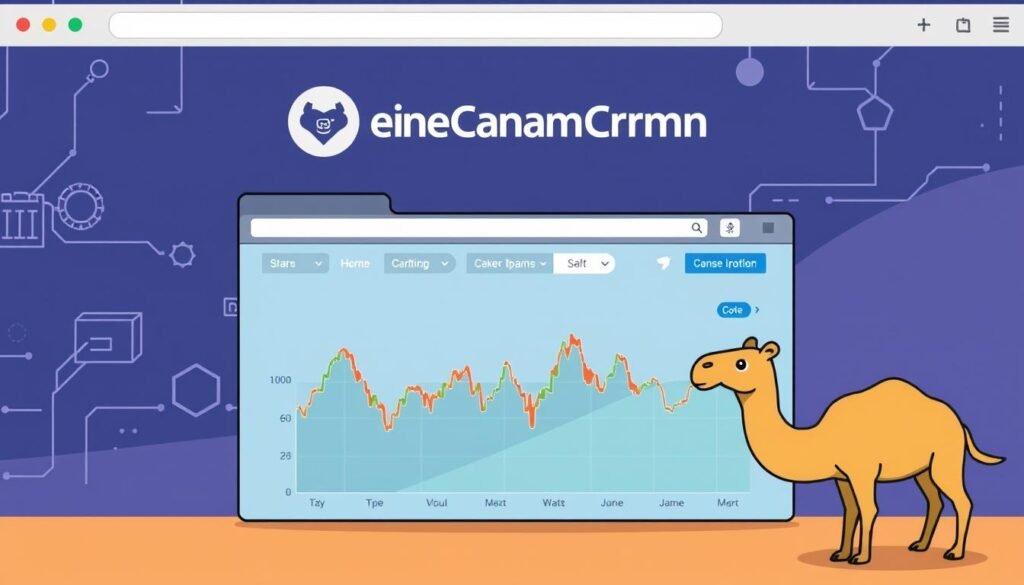
Browser extensions have become increasingly popular for their ability to simplify the deal hunting process. Extensions like CamelCamelCamel and Keepa provide price history charts, while others like Honey automatically apply coupon codes at checkout.
Mobile Apps for On-the-Go Deal Tracking
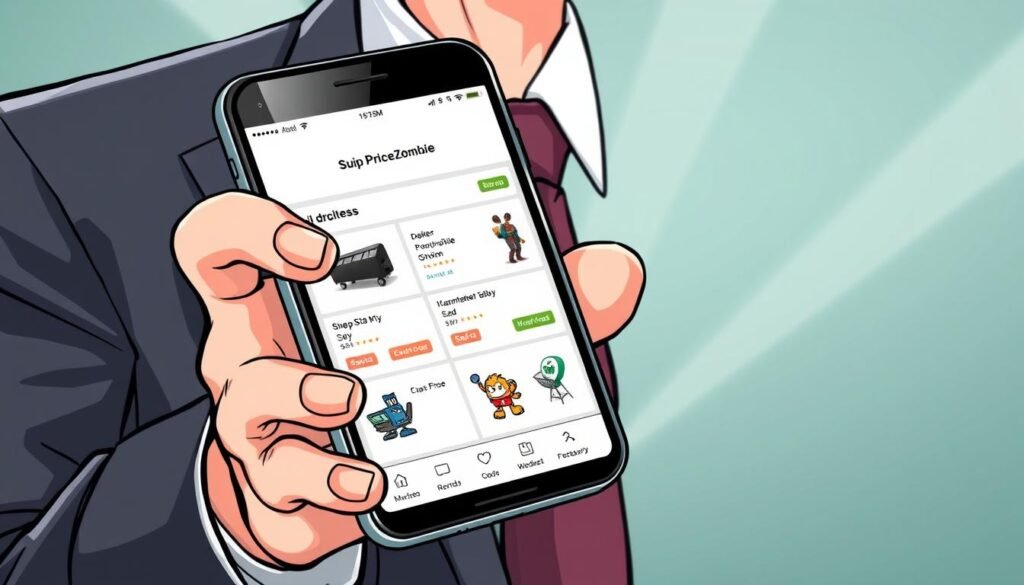
For shoppers who are always on the move, mobile apps offer a convenient way to track deals and compare prices. Apps like ShopSavvy and PriceZombie allow users to scan barcodes or search for products to find the best deals.

Dedicated Price Comparison Websites
Dedicated price comparison websites offer a comprehensive overview of prices across multiple retailers. These platforms, such as Google Shopping, PriceRunner, and Shopzilla, aggregate millions of products from thousands of retailers, providing shoppers with detailed product information, including user reviews and expert ratings.
By utilizing these essential tools, shoppers can make informed purchasing decisions and maximize their savings during flash sales. Understanding the strengths and limitations of different comparison tools helps shoppers choose the right platform for their specific shopping needs.
Top Price Comparison Apps for Different Shopping Needs
Smart shoppers know that comparing prices across different stores is key to snagging the best deals. With numerous price comparison apps available, each catering to different shopping needs, it’s essential to identify the right tool for your specific requirements.
Best All-Around Price Comparison Apps
For shoppers seeking a versatile price comparison tool, apps like PriceZombie and Google Shopping stand out. These apps aggregate prices from a wide range of retailers, making it easy to compare prices across different stores.
Specialized Apps for Electronics and Tech Deals
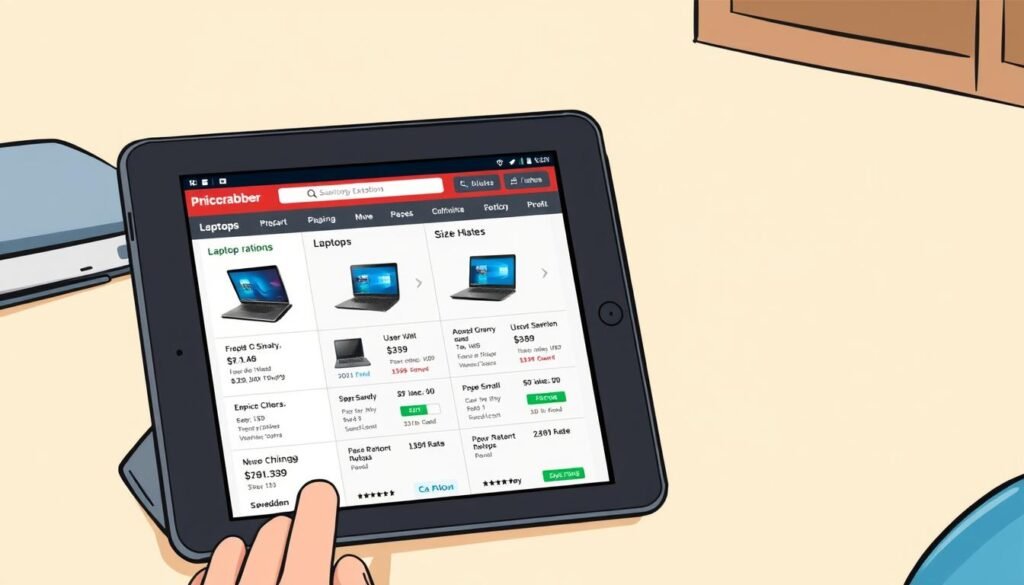
For tech enthusiasts, apps like PriceGrabber and NexTag specialize in comparing prices for electronics and tech products. These apps often include features like product reviews and price history charts to help make informed purchasing decisions.
Grocery and Everyday Item Comparison Tools
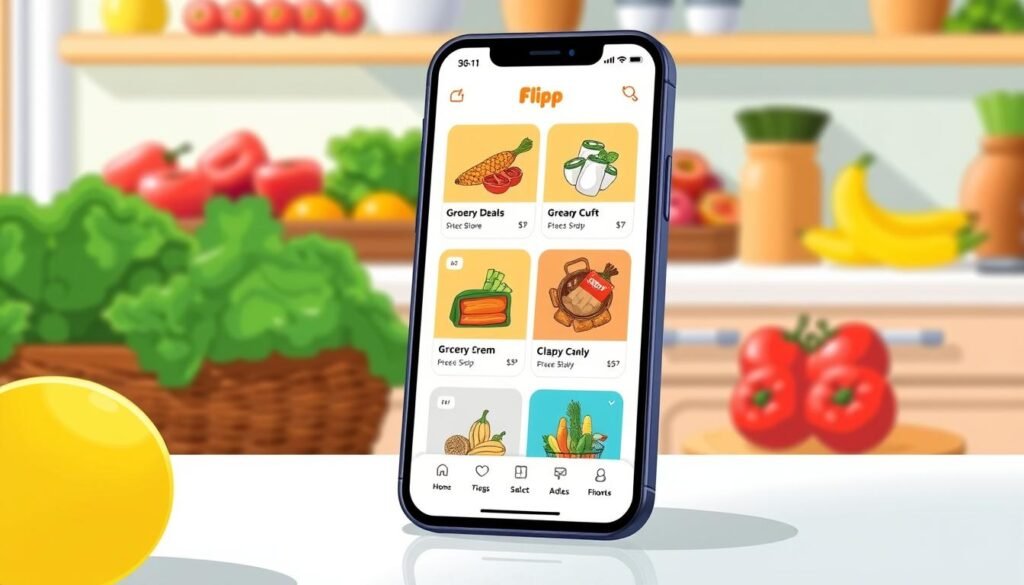
Apps like Flipp help shoppers browse weekly flyers from supermarkets and drugstores to find grocery savings. Flipp’s customizable home screen allows users to select their favorite stores and receive notifications when items on their watch list hit a desired price.
Fashion and Apparel Deal Finders
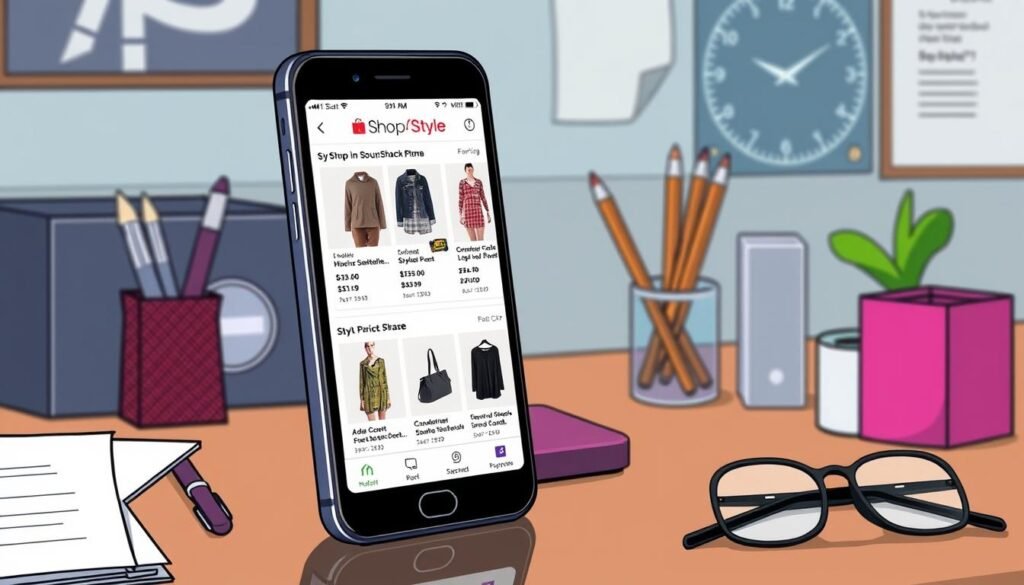
Fashion and apparel deal finders like ShopStyle and LIKEtoKNOW.it aggregate products from hundreds of clothing retailers, enabling comprehensive style and price comparisons. These apps often include features like size availability tracking and style recommendations.
Must-Have Features in Flash Deal Comparison Tools
When it comes to finding the best deals, having the right tools at your disposal can make all the difference in maximizing your savings. Effective flash deal comparison tools are equipped with features that go beyond simple price comparisons, offering users a comprehensive shopping experience.
Price History Tracking and Analysis
One of the critical features of advanced comparison tools is price history tracking. This functionality allows users to see how prices have fluctuated over time, helping them determine whether a current deal is genuinely a good offer or just a marketing tactic. By analyzing price trends, shoppers can make more informed decisions about when to buy.
Customizable Price Drop Alerts
Customizable price drop alerts are another valuable feature, enabling users to set notifications for specific products or categories when prices fall below a certain threshold. This proactive approach ensures that shoppers never miss out on a great deal and can act quickly when prices drop.
Barcode Scanning Capabilities
The ability to scan barcodes using a smartphone app is a convenient feature that allows users to compare prices in-store instantly. This barcode scanning capability helps shoppers verify if they’re getting the best deal on the spot, making it easier to make informed purchasing decisions while shopping in physical stores.
Coupon Integration and Cashback Options
Leading price comparison apps like Price.com not only compare prices across over 100,000 stores but also offer coupon integration and cashback options. These features extend the value of the comparison tools by providing additional savings opportunities. Users can benefit from automatically applied coupon codes and earn rebates on their purchases, both online and in-store, enhancing their overall savings.
Comparing Flash Deals Across Stores: Step-by-Step Strategy
To make the most of flash deals, it’s essential to have a step-by-step approach to comparing prices across different stores. This involves setting up a deal tracking system, creating effective price alerts, and organizing your deal wishlist.
Setting Up Your Deal Tracking System
Setting up a deal tracking system is the foundation of comparing flash deals across stores. Tools like Moonsift allow you to collate all the items you’re interested in into one easy-to-manage place. This enables you to compare items side by side and receive price drop alerts when an item you’ve saved goes down in price.
To set up your deal tracking system, start by identifying the items you want to track. You can then use a price comparison app or website to monitor price changes. This will help you stay on top of the latest deals and make informed purchasing decisions.
Creating Effective Price Alerts
Creating effective price alerts is crucial to staying informed about price changes. By setting up price alerts, you can receive notifications when the price of an item you’re interested in drops. This allows you to act quickly on flash deals and avoid missing out on savings.
To create effective price alerts, you need to set a target price for the item you’re interested in. You can then use a price comparison tool to track the price and receive alerts when it reaches your target price.
Organizing Your Deal Wishlist
Organizing your deal wishlist is vital to managing multiple deals effectively. By categorizing your wishlist into sections like “Electronics,” “Home Goods,” or “Gifts,” you can easily manage a large number of tracked items. Assigning priority levels to wishlist items helps focus attention on the most important deals when multiple price drops occur at once.
Additionally, adding notes to wishlist items with details like desired specifications or color preferences streamlines decision-making when deals appear. Regularly reviewing and pruning your wishlist prevents it from becoming unwieldy and ensures you’re only tracking items you genuinely intend to purchase.
Timing Your Purchases: When to Buy and When to Wait
Smart shoppers know that the art of comparing flash deals involves more than just price comparison; it’s about timing. To maximize savings, understanding when to buy and when to wait is crucial. Apps that include wishlists or price charts allow you to see whether a current deal is truly a bargain or just a marketing gimmick.
Understanding Seasonal Pricing Patterns
Seasonal pricing patterns play a significant role in determining the best time to buy. Certain products follow predictable price cycles throughout the year. For instance, winter clothing tends to be cheaper during summer, while summer products are discounted in winter. By understanding these patterns, shoppers can plan their purchases accordingly and make informed decisions about when to buy and when to wait.
For example, electronics often see price drops during major shopping events like Black Friday or Cyber Monday. Keeping an eye on these seasonal trends can help you identify the best times to make a purchase at the lowest price.
Identifying Genuine Deals vs. Marketing Tactics
Identifying genuine deals requires looking beyond flashy marketing language to evaluate the actual value proposition compared to historical pricing. Retailers often use tactics like artificial price inflation before “sales” or reference pricing to create the illusion of savings. Tools that track price history help determine if a “48-hour flash sale” price is actually unusual.
Some key tactics to watch out for include:
- Artificial price inflation before “sales”
- Reference pricing showing a high “regular” price alongside the “sale” price
- Limited-time offers that create urgency but may not reflect exceptional value
- Bundle deals that obscure the true value by combining desired items with less desirable ones
- Exclusive “member pricing” or “app-only deals” that should be evaluated against the broader market
By being aware of these tactics and using tools that track price comparison and history, you can make more informed purchasing decisions and find the best deal available.
Advanced Techniques for Power Shoppers
Seasoned shoppers understand that the real value lies in leveraging multiple savings opportunities simultaneously. To maximize their savings, power shoppers employ a range of sophisticated strategies that go beyond simply finding a good deal.
Deal Stacking: Combining Discounts, Coupons, and Cashback
One of the best-kept secrets among experienced deal-hunters is stacking. This involves using a price tracker to monitor price drops, a coupon tool to apply promo codes, and a cashback app to reclaim a percentage of your spend. For example, pairing a Chrome extension with a mobile-based rewards app can often yield double benefits. By combining these tools, shoppers can significantly reduce their expenses on a single product.
Cross-Store Price Matching Policies
Cross-store price matching policies can be powerful tools for savvy shoppers, allowing them to get the lowest advertised price while shopping at their preferred retailer. Major retailers like Best Buy, Target, and Walmart offer price matching against specific competitors, though each has unique policies regarding eligible competitors and exclusions.
Most price matching policies require evidence of the lower price, making mobile price comparison apps valuable for documenting competitors’ pricing while in-store. Timing restrictions often apply to price matching—many retailers will match prices both at the time of purchase and within a specific window afterward (typically 7-30 days).
Understanding the specific requirements and limitations of each store’s policy helps shoppers leverage price matching effectively without wasting time on ineligible scenarios.
How to Compare In-Store Flash Deals with Online Prices
Smart shoppers know that comparing in-store flash deals with online prices can lead to significant savings and better purchasing decisions. With the rise of price comparison tools and store price match guarantees, consumers now have the power to make informed choices across different shopping channels.
Using Barcode Scanners While Shopping
One of the most effective ways to compare in-store prices with online deals is by using barcode scanners. Apps like ShopSavvy allow shoppers to scan barcodes and instantly compare prices across different retailers, both online and in-store. This tool is particularly useful for electronics and other high-value items where price differences can be significant.
By using a barcode scanner, shoppers can quickly identify if a product is available at a lower price elsewhere, giving them the confidence to make a purchase or negotiate with the store for a better deal.
Key benefits of using barcode scanners include:– Instant price comparison
– Access to user reviews and product ratings
– Information on product availability
Leveraging Store Price Match Guarantees
Many retailers offer price match guarantees, allowing customers to benefit from the lowest price available, whether it’s in-store or online. To take advantage of these policies, shoppers need to understand the specific requirements of each retailer, including documentation needs and timing windows for price adjustments.
For instance, some retailers may offer a price beat guarantee, not just matching the lower price but also providing an additional discount. Understanding these nuances can help shoppers maximize their savings.
Important considerations for price match guarantees:– Documentation requirements
– Geographic restrictions
– Timing windows for price adjustments
– Exclusions for certain types of sales
Specialized Strategies for High-Value Purchases
Smart shoppers know that high-ticket items demand a more detailed comparison strategy. Whether you’re looking for electronics, home appliances, or furniture, making an informed decision requires more than just a quick price check.
Electronics and Tech Products
When comparing electronics deals, it’s essential to look beyond the sticker price. Consider the product’s features, warranty, and customer reviews. Price comparison tools can help you identify the best deals, but you should also factor in any additional costs, such as shipping fees or taxes.
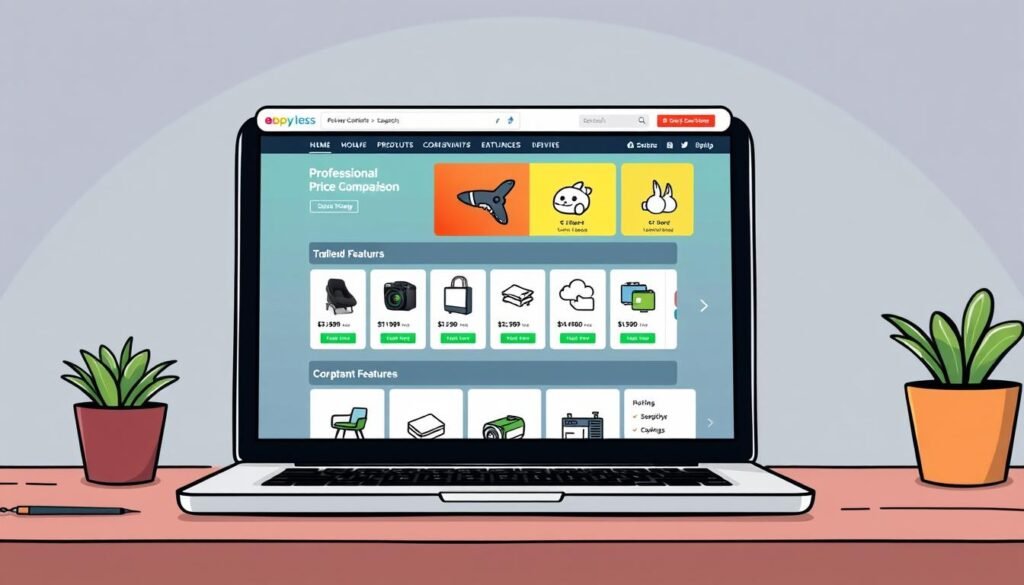
To get the best value, research the product’s price history and wait for significant sales events like Black Friday or Cyber Monday. Some retailers also offer price matching policies, which can be beneficial if you find a lower price elsewhere.
Home Appliances and Furniture
For home appliances and furniture, the total cost of ownership is a critical consideration. This includes not just the purchase price, but also delivery fees, installation costs, and extended warranty options. Comparing these costs across different retailers can help you save money.

Timing your purchase strategically can also lead to significant savings. Major sales events like Memorial Day and Labor Day often feature discounts on home goods. Additionally, consider the benefits of purchasing floor models or last year’s models, which can offer substantial savings.
Community-Driven Deal Finding
The rise of community-driven platforms has transformed flash deal hunting into a collaborative experience. Shoppers are no longer alone in their quest for discounts; they can now tap into a collective knowledge base that surfaces the best deals in real-time.
Leveraging Deal Forums and Communities
Deal forums and communities have become essential for savvy shoppers looking to stay ahead of the curve. Platforms like Slickdeals, with its community-driven price comparison and deal-sharing features, have gained popularity. Slickdeals boasts over one million downloads on Google Play and a 4.8-star rating on the App Store from nearly 95,000 reviews.
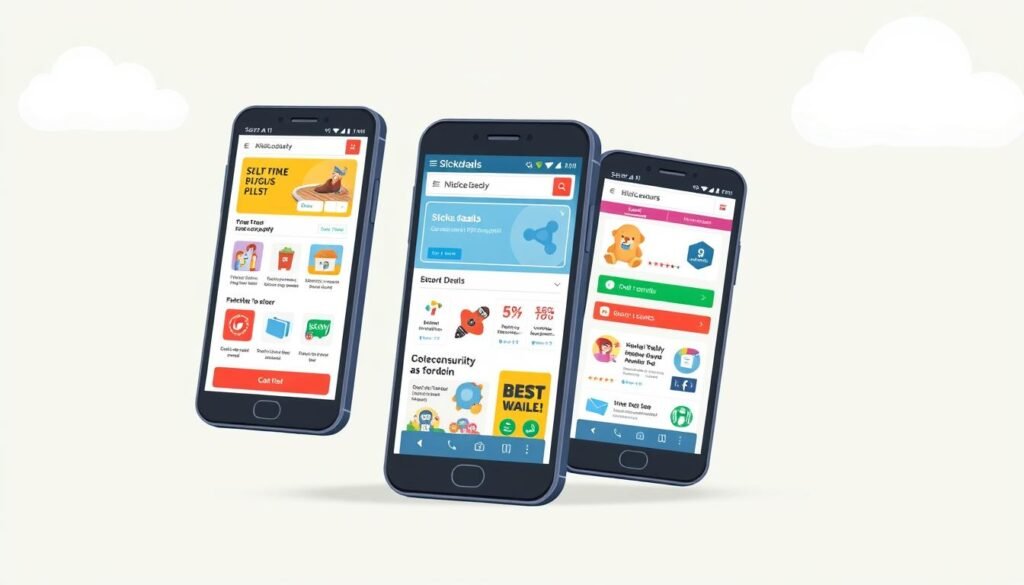
Every deal on Slickdeals is community-vetted, ensuring that shoppers can trust the authenticity of the discounts. By setting up alerts and scanning new posts, users can quickly identify and pounce on markdowns that are too good to miss.
Key benefits of using deal forums and communities include: real-time deal alerts, community validation of deal authenticity, and the ability to focus on specific product categories.
Social Media Groups for Flash Deal Alerts
Social media groups dedicated to flash deals provide real-time alerts and discussions about limited-time offers across various retailers and product categories. Facebook Groups, Reddit communities like r/deals or r/frugal, and Twitter accounts focused on deals create ecosystems where information about flash sales spreads rapidly.

The immediacy of social media platforms makes them particularly valuable for extremely time-sensitive deals that may sell out within minutes of being posted. Many social media deal communities are organized around specific interests or product categories, allowing members to focus only on deals relevant to their needs.
Direct interaction with other deal hunters provides context and validation that automated tools can’t offer. Members can ask questions about product quality or deal terms and receive quick responses, further enhancing the deal-finding experience.
Avoiding Common Pitfalls When Comparing Flash Deals
As exciting as flash deals are, they can also be treacherous if you’re not careful about how you compare them. When comparing flash deals across stores, it’s essential to be aware of the potential pitfalls that can turn a great deal into a costly mistake.
Hidden Costs That Affect Total Price
One of the most significant pitfalls when comparing flash deals is overlooking hidden costs that can affect the total price. These costs can include shipping fees, handling charges, and taxes. For instance, a seemingly cheap product from an online retailer might become expensive once you factor in shipping costs. To avoid this, always check the retailer’s website for any additional fees before making a purchase.
Always check the total cost, including any additional fees, to ensure you’re getting the best deal. Some retailers might also have different pricing for different regions, so it’s crucial to verify prices based on your location.
Expired or Invalid Deal Listings
Expired or invalid deal listings are another common issue when using price comparison tools. Many platforms rely on user submissions or automated crawlers, which can sometimes lead to outdated information. To avoid falling into this trap, always double-check the timestamp of the deal listing and verify the current price directly on the retailer’s website before making a purchasing decision.
Some key points to keep in mind include:
- Expired deals can be frustrating, especially during high-traffic sales periods.
- Verification is key: check the timestamp and seller credibility.
- Flash deals can expire quickly, sometimes in hours or minutes.
- The frequency of updates varies across comparison platforms.
By being mindful of these potential pitfalls, you can make more informed purchasing decisions and truly benefit from flash deals.
Privacy Considerations When Using Price Comparison Tools
As we increasingly rely on price comparison tools, it’s essential to consider the privacy implications of our deal-hunting habits. Many users are unaware that some price comparison apps and websites collect personal data, including browsing habits and purchase history, to deliver targeted offers.
Understanding Data Collection Practices
When using price comparison tools, it’s crucial to understand how these platforms gather and utilize user data. Most deal apps and websites collect information on browsing habits, purchase history, and preferences to provide personalized recommendations. While this data collection can enhance the shopping experience by offering relevant deals, it also raises significant privacy concerns. Users should carefully review the permissions requested by these tools and opt out of any unnecessary data-sharing features.
Data collection practices vary widely among price comparison platforms. Some may collect more information than others, and understanding these differences is key to making informed decisions about which tools to use.
Balancing Privacy with Deal Hunting Benefits
To strike a balance between enjoying the benefits of price comparison tools and maintaining privacy, users can employ several strategies. These include using browser compartmentalization techniques, such as separate browser profiles for shopping activities, and managing permissions to limit data access. Additionally, users can opt for alternative tools that prioritize privacy, although these might offer less comprehensive deal coverage.
- Selective tool usage can help balance privacy concerns with the benefits of price comparison.
- Regular privacy audits of installed shopping tools can maintain control over personal data.
- Understanding the trade-offs between privacy and savings can help shoppers make intentional decisions.
By being mindful of data collection practices and taking steps to manage privacy, users can enjoy the benefits of price comparison tools while protecting their personal information.
Case Study: Saving $500 on a Home Entertainment System
In a real-world example, a savvy shopper saved substantially on a home entertainment system by leveraging price comparison tools and strategic planning. This case study illustrates the effectiveness of combining patience, flexibility, and the right technology to achieve significant savings.
The Strategy: Tools and Timing Used
The shopper began by researching the required specifications for the home entertainment system, ensuring that the components met performance requirements. Price comparison platforms were used to track price fluctuations over several months, allowing the shopper to identify the best times to buy each component.
The strategy involved being flexible with brands and models, taking advantage of deals as they arose. Deal stacking was also employed, combining sale prices, coupon codes, and cashback offers to maximize savings. Additionally, price matching policies were utilized to ensure competitive pricing even when purchasing in-store.
Lessons Learned and Applicable Techniques
Several key lessons emerged from this case study. Firstly, patience proved invaluable, as waiting for the right moment to buy resulted in substantial savings. Secondly, being open to different brands and configurations allowed for better price comparison opportunities.
The experience highlighted the importance of community intelligence in identifying exceptional deals and documentation of the shopping process to create a replicable system for future purchases. By applying these strategies, shoppers can achieve significant money savings on major purchases, making the time invested in shopping worthwhile.
Future of Flash Deal Comparison: AI and Personalization
The next generation of flash deal comparison tools is emerging, powered by AI and personalized to enhance the shopping experience. This evolution is transforming how consumers interact with price comparison platforms, making deal hunting more intuitive and effective.
How Machine Learning is Transforming Deal Finding
Machine learning algorithms are revolutionizing deal finding by enabling more sophisticated price comparison and product recommendation capabilities. Tools like Vetted, an AI-powered shopping assistant, are at the forefront of this change. With over 100,000 downloads on Google Play and a 4.6-star rating on the App Store, Vetted exemplifies the growing adoption of AI-driven shopping tools. By comparing prices, summarizing reviews, and suggesting alternatives in a single conversational interface, these platforms simplify the shopping process.
Key advancements include the ability to analyze complex shopping patterns and provide personalized recommendations based on user behavior and preferences.
Preparing for Next-Generation Shopping Tools
As we move forward, several trends are expected to shape the future of flash deal comparison. Next-generation shopping tools will likely incorporate features such as augmented reality for product visualization, voice-activated comparison assistants, and predictive inventory systems to alert shoppers about impending stock shortages.
Other significant developments include hyper-personalization of deal recommendations, seamless cross-platform synchronization, and the integration of ethical shopping considerations like sustainability metrics into comparison tools.
To fully leverage these advancements, consumers should focus on developing comfort with AI assistants, understanding how to effectively communicate their shopping preferences, and staying aware of data privacy implications.
Becoming a Smart Flash Deal Shopper in Today’s Market
To maximize savings, it’s essential to develop a personal system for comparing flash deals that balances effort with results. This involves focusing your price comparison energy on purchases where the savings potential is greatest.
Strategic patience is crucial in distinguishing successful deal hunters from those who experience buyer’s remorse. Knowing when to buy immediately versus when to monitor price drops can make a significant difference in your overall shopping experience.
Creating a personal deal ecosystem through tool integration allows different applications to work together, covering various aspects of the comparison process from price tracking to coupon testing. This holistic approach helps shoppers make informed decisions.
Accumulating knowledge about pricing patterns in your most frequently purchased categories builds intuition about what constitutes a genuinely good deal versus merely average pricing. It’s also important to avoid impulse purchases driven solely by discount percentages rather than actual need or value.
Participating in deal communities provides both intelligence about current deals and education about evaluation techniques from more experienced comparison shoppers. Continuous learning about new comparison tools and techniques ensures your approach evolves alongside the rapidly changing retail and technology landscape.
The ultimate goal isn’t just saving money on individual purchases but developing a sustainable, low-stress approach to getting maximum value from your shopping budget over time. By adopting these strategies, you can become a truly smart flash deal shopper in today’s market.