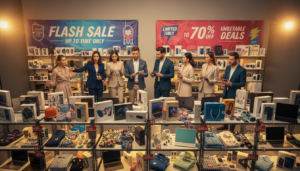
Many businesses believe a bigger discount is the key to a successful promotion. They focus on slashing prices to grab customer attention. However, the real secret often lies not in the price cut, but in the strategic scheduling of the offer.
A deep discount might get people to look, but will it make them buy? The precise moment you launch a short-term promotion can be the difference between a cart full of sales and a site full of window shoppers. Customer behavior patterns and their readiness to purchase are critical factors.
This concept means a well-planned promotion with a moderate discount can generate better results than a poorly scheduled one with a massive price reduction. It’s about capturing shoppers when they are most likely to act.
This approach helps businesses protect their profit margins while still driving significant revenue. By understanding the power of promotional scheduling, companies can create more effective and efficient sales strategies.
Key Takeaways
- The scheduling of a short-term promotion is often more critical than the discount percentage.
- Customer purchasing readiness heavily influences the success of a sale event.
- A strategically planned promotion can outperform a deeper, but poorly timed, discount.
- Aligning sales with customer behavior patterns leads to higher engagement.
- This method helps maximize revenue without unnecessarily reducing profit margins.
- Understanding this principle allows for more efficient and effective promotional strategies.
Introduction to Flash Sales
Modern ecommerce strategies increasingly rely on brief, high-impact promotional windows to capture consumer attention. These events create immediate buying pressure that drives rapid decision-making.
These short-term promotions have become essential tools for online retailers seeking to boost engagement and sales velocity.
Defining Flash Sales and Their Role in Ecommerce
A flash sale represents a limited-time promotional event with significant discounts. These events typically last from a few hours to 36 hours maximum.
The primary function of these promotions is to generate immediate action from shoppers. They create psychological pressure through time constraints.
This approach differs from standard discounts by emphasizing scarcity. Both time and inventory limitations trigger fear of missing out among potential buyers.
Why Timing Can Be More Critical Than Steep Discounts
Research shows that 50% of flash sale orders occur within the first hour. This demonstrates how timing concentrates purchasing activity.
Shoppers respond more strongly to limited availability windows than to marginally higher savings. A well-scheduled promotion outperforms deeper discounts offered at inconvenient times.
Businesses must master both the scheduling and discount aspects. The right moment serves as a multiplier for any price reduction’s effectiveness.
| Characteristic | Flash Sales | Regular Discounts |
|---|---|---|
| Duration | Hours to 36 hours | Days to weeks |
| Purchase Urgency | High immediate pressure | Moderate consideration |
| Customer Response | 50% orders in first hour | Gradual purchases over time |
| Inventory Impact | Rapid clearance | Steady movement |
| Psychological Trigger | Fear of missing out | Value perception |
The Impact of Flash Sales on Ecommerce Growth
The true value of a well-executed flash sale extends far beyond a single day’s revenue, impacting long-term ecommerce health. These events are powerful tools for accelerating business expansion.
They achieve this through two primary mechanisms: boosting immediate financial performance and optimizing backend operations.
Driving Rapid Revenue and Customer Engagement
Short-term promotions compress the buying cycle. Shoppers make quick decisions, leading to a documented 35% lift in transaction rates.
This urgency creates a spike in activity. Customers frequently check for updates and share promotions with their networks.
This organic sharing turns shoppers into brand ambassadors. It provides free marketing that extends the campaign’s reach.
The result is a significant surge in both sales and customer interaction during the event window.
Clearing Excess Inventory Effectively
These promotions serve a crucial operational role. They are excellent for moving overstocked items or seasonal products.
Data shows more than 45% of flash sale items sell out completely. This rapid clearance frees up warehouse space and capital.
Businesses can then introduce new products without delay. This inventory management benefit protects profit margins.
| Aspect of Growth | Primary Benefit | Key Metric |
|---|---|---|
| Revenue Generation | Compressed purchasing decisions | 35% higher transaction rates |
| Customer Engagement | Increased site traffic and social sharing | High interaction during sale period |
| Inventory Management | Quick liquidation of slow-moving stock | Over 45% sell-out rate |
Understanding the Sense of Urgency in Flash Sales
At the heart of every high-performing flash sale lies a fundamental human emotion: the fear of missing out. This feeling creates a powerful sense of urgency that drives immediate action.
Shoppers feel compelled to buy now rather than risk losing the deal. This psychological pressure is a key driver for these short-term promotions.
The shorter the sale window, the more intense this urgency becomes. A limited time frame forces quick decisions.
Customers abandon their usual habit of comparing prices across different stores. They prioritize securing the offer over lengthy research.
Visual cues like countdown timers and low-stock alerts amplify this effect. These tools make the scarcity feel real and immediate to shoppers.
Understanding this psychology allows businesses to design more effective promotions. The goal is to trigger a swift response from potential customers.
Strategies for Timing Flash Deals for Maximum Conversion Impact
Moving beyond random scheduling, businesses can use purchase history to pinpoint the perfect launch time for a promotion. This data-driven approach ensures your special offers reach customers when they are most receptive.
Analyzing past behavior transforms guessing into a precise science. You learn exactly when your audience is ready to buy.
Identifying Customer Purchase Patterns
Your sales data holds the key to understanding shopper rhythms. Look for consistent trends in daily and weekly activity.
Do purchases spike during lunch hours or late evenings? Identify these high-traffic windows to schedule your event.
Aligning your promotion with these natural peaks captures attention effortlessly. Shoppers are already active and browsing.
Leveraging Historical Order Data for Decision Making
Past performance offers invaluable insights for future campaigns. Review which products sold quickly in previous promotions.
Note the specific days and timeframes that generated the strongest response. This historical context guides your next move.
This method helps you run a flash sale that resonates with your specific audience. You meet them where they already are.
| Data Point to Analyze | Key Question to Answer | Strategic Action |
|---|---|---|
| Peak Sales Hours | When do most conversions happen? | Schedule the sale start to match this window. |
| High-Performing Days | Which days show the most activity? | Launch promotions on these specific days. |
| Previous Promotion Success | What time did past sales perform best? | Replicate successful scheduling patterns. |
| Customer Geographic Data | What are the primary time zones? | Ensure the sale duration accommodates all key regions. |
Determining the Optimal Time to Run a Flash Sale
Successful promotional scheduling hinges on aligning your business calendar with consumer shopping rhythms throughout the year. The right moment can significantly boost engagement and sales performance.
Choosing when to launch these events requires balancing multiple factors. You must consider both universal shopping patterns and your specific business goals.
Seasonal Trends and Customer Behavior Analysis
October presents a prime opportunity to run flash sales before the holiday rush begins. This timing helps capture early shoppers and build momentum.
The actual holiday season often proves less effective for these promotions. Shoppers experience promotional fatigue from overwhelming marketing emails during peak shopping days.
January offers excellent potential for post-holiday events. Customers seek deals after receiving gift cards or returning unwanted items.
Specific holidays like Valentine’s Day and Fourth of July align with natural gift-buying cycles. These times find shoppers actively seeking purchases.
| Seasonal Period | Primary Opportunity | Customer Mindset |
|---|---|---|
| Pre-Holiday (October) | Capture early shoppers before competition | Proactive gift planning |
| Post-Holiday (January) | Capitalize on gift card usage and returns | Deal-seeking after holiday spending |
| Holiday-Themed Events | Align with natural gift-buying cycles | Predisposed to purchase gifts |
| Quarterly Schedule | Maintain event exclusivity | Anticipates special offers |
Running these events every few months maintains their special nature. This prevents customers from waiting for discounts instead of buying at regular prices.
Integrating Social Media and Email Marketing
Coordinated promotional efforts across digital channels significantly boost participation in limited-time events. This multi-channel approach ensures your message reaches customers through their preferred communication methods.
Research confirms that targeted emails sent before the sale starts drive immediate engagement. This direct communication channel delivers personalized invitations to your most valuable audience.
Crafting Engaging Campaigns for Pre-Sale Buzz
A successful email strategy includes three key messages. Send a teaser to build excitement, an announcement when the event begins, and final reminders as the window closes.
Social media platforms amplify your reach through organic sharing. Customers become brand ambassadors when they share attractive offers with their networks.
Visual content performs exceptionally well in marketing campaigns. Facebook posts with images generate 2.3 times more engagement than text-only content.
Influencer partnerships extend your flash sale visibility dramatically. Trusted voices can authentically recommend products to engaged audiences.
This integrated marketing approach creates a cohesive promotional experience. Customers receive consistent messages across all their preferred media channels.
Overcoming Common Challenges in Flash Sales
A successful flash sale can quickly turn into a major setback if technical and operational hurdles are not anticipated. The intense traffic surge these events create tests every part of your business.
This strain can overwhelm your website, fulfillment systems, and support teams. A negative experience during this critical period can drive customers away for good.
Managing Website Traffic and Avoiding Cart Abandonment
Your website performance is the foundation of a smooth event. Slow loading times or a crashed checkout page will stop a promotion in its tracks.
You must make sure to conduct thorough stress tests before launch. Simulate peak traffic to find and fix potential bottlenecks.
Cart abandonment is a critical issue. Shoppers who cannot complete a purchase due to a complicated process represent lost revenue.
Optimizing the checkout experience is essential. Reducing steps and enabling guest checkout can significantly lower abandonment rates.
The entire journey matters for customers. Fast shipping is a key factor for 87% of online shoppers when deciding to return to a brand.
| Common Challenge | Potential Consequence | Proactive Solution |
|---|---|---|
| Sudden Traffic Surge | Website slowdown or crash | Pre-event server scaling and load testing |
| Complex Checkout Process | High cart abandonment rates | Streamlined, one-click checkout options |
| Fulfillment Delays | Dissatisfied customers unlikely to return | Pre-plan logistics and communicate timelines clearly |
| Customer Support Overload | Slow response times and frustration | Implement chatbots and detailed FAQs for common issues |
Mastering Inventory Management and Fulfillment
While marketing creates the buzz for a short-term promotion, robust logistics determine its ultimate success or failure. A sudden wave of orders can overwhelm systems if not properly anticipated. This makes precise control of stock and shipping a top priority.
Strategies to Prevent Stockouts and Operational Strain
Data shows over 45% of promotional items sell out completely. This creates a major risk of disappointing customers who arrive too late. Accurate forecasting is essential to balance supply with explosive demand.
Using real-time dashboards provides a clear view of available inventory. You can track levels across warehouses and receive alerts for low stock. This prevents unexpected shortages of popular products.
Partnering with a skilled third-party logistics (3PL) provider is a powerful solution. They offer tools to manage inventory efficiently and scale fulfillment operations on demand. This preparation ensures a smooth experience for every customer.
| Proactive Strategy | Reactive Challenge | Business Outcome |
|---|---|---|
| Demand forecasting based on past sales | Unexpectedly high sell-out rates | Meeting customer expectations |
| Setting purchase limits per customer | Rapid depletion of popular items | Fair access and sustained availability |
| Pre-coordination with fulfillment teams | Shipping delays and errors | Maintaining fast, reliable delivery |
Strategic planning can also help move slower-selling products. Bundling them with high-demand items clears excess inventory effectively. This approach keeps your offers attractive while refreshing your stock with new inventory.
Boosting Customer Loyalty through Timed Promotions
The most effective short-term promotions do more than just generate sales. They actively cultivate a sense of appreciation and reward among shoppers. This approach transforms a simple transaction into a powerful relationship-building tool.
Offering exclusive early access to your most dedicated customers makes them feel valued. This VIP treatment is a direct investment in customer loyalty. It shows you recognize their continued support.
Integrating these events with your existing loyalty program creates a powerful synergy. Awarding bonus points for purchases made during the event incentivizes participation. It also builds a balance that encourages future visits.
Exclusive offers available only to members serve a dual purpose. They reward existing customers while enticing others to join the program. This strategy strengthens your brand community.
A successful flash sale focused on loyalty prioritizes genuine customer benefit over mere inventory clearance. This thoughtful positioning ensures your brand is associated with rewards, not just discounts. The long-term value of engaged customers far exceeds the revenue from a single event.
Innovative Marketing Techniques for Flash Sales
Cutting-edge promotional methods leverage digital tools to create compelling urgency and measurable results. These advanced approaches transform standard sales events into highly engaging experiences.
They incorporate psychological triggers and data-driven optimization to maximize participation. This strategic approach ensures your promotional efforts deliver optimal performance.
Using Countdown Timers and Real-Time Notifications
Countdown timers provide a simple yet effective way to build urgency. Displaying them on your website and in promotional materials makes time constraints visible.
Real-time notifications through push alerts or SMS messages keep customers informed. They receive updates when sales begin or when inventory runs low.
This constant reinforcement reduces procrastination among shoppers. It encourages immediate action during critical hours.
Employing A/B Testing to Optimize Offers
A/B testing helps identify the most effective promotional strategies. You can test different discount structures and messaging approaches.
For example, compare various headline formulas or call-to-action buttons. This data-driven method reveals what resonates with your specific audience.
Testing different start times provides concrete insights about customer responsiveness. Retargeting ads can then reach interested browsers who haven’t yet purchased.
| Marketing Technique | Primary Function | Implementation Example |
|---|---|---|
| Countdown Timers | Create visible time pressure | Website header displaying hours remaining |
| Real-Time Alerts | Provide instant updates | Push notifications for low inventory items |
| A/B Testing | Optimize campaign elements | Comparing two discount message versions |
| Retargeting Ads | Recapture interested shoppers | Social media ads targeting cart abandoners |
Case Studies and Examples of Successful Flash Sales
Examining concrete results from major retailers provides valuable insights into promotional effectiveness. Real-world scenarios demonstrate how leading ecommerce companies achieve exceptional outcomes.
Real-World Scenarios from Leading Ecommerce Brands
Amazon’s Prime Day represents a massively successful flash sale event. It generates millions of sales within 48 hours by offering exclusive discounts to Prime members.
Fashion retailers like Zara show how to make a flash sale successful for inventory clearance. Their limited-time promotions offer up to 70% off previous collections.
Beauty brands including Sephora use these events for new product launches. They create immediate buzz through exclusive bundles.
Technology companies like Apple leverage major shopping events. They time promotions when customer purchase intent is naturally high.
Lessons Learned and Best Practices
These case studies reveal that the most successful flash events combine multiple elements. They require planning across marketing, operations, and customer experience.
Local businesses demonstrate that this strategy isn’t just for major brands. A gym offering limited-time membership discounts can achieve similar results.
Each example shows that genuine value and clear communication drive participation. This approach transforms one-time buyers into repeat customers.
The key lesson for businesses is that a sale successful outcome depends on integrated planning. Simply discounting products rarely delivers optimal results.
Conclusion
Mastering the art of well-planned promotional windows can transform occasional shoppers into loyal customers. The right approach to these events delivers far more than just immediate revenue.
A thoughtful flash sale strategy helps businesses achieve multiple goals at once. It clears inventory while building customer relationships. This comprehensive planning separates successful operations from their competitors.
The most effective way to run flash promotions involves careful testing and refinement. Make sure to analyze results from each event. This data-driven approach ensures continuous improvement in your ecommerce efforts.
While discounts attract attention, strategic execution drives real results. Businesses that invest in understanding customer behavior will consistently outperform those focused solely on price reductions. A well-executed sale creates lasting value beyond the event window.