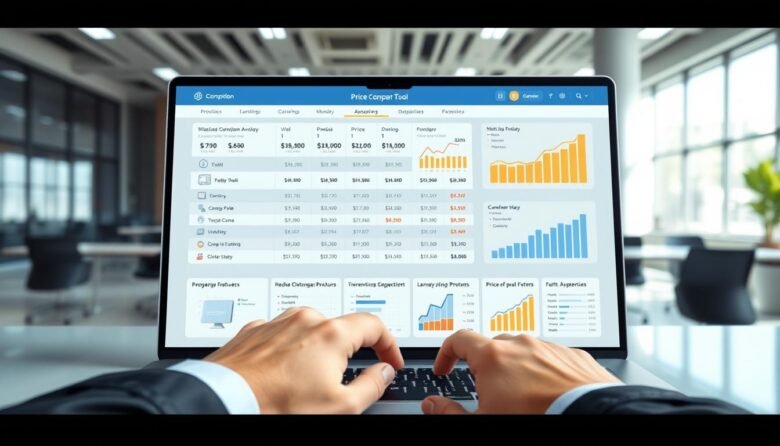
Online shopping presents a challenge for savvy consumers. Retailers frequently adjust their costs using dynamic algorithms. These changes depend on demand, inventory levels, and competitor actions. The result? Significant price differences for identical products.
Research shows that 80% of shoppers check multiple stores before buying. A product costing $89 on one site might be $63 elsewhere. That represents a $26 savings opportunity. Manually checking every retailer wastes valuable time.
This is where automatic price comparison technology becomes essential. These systems scan numerous retailers simultaneously. They deliver instant results without manual effort. The evolution from spreadsheet tracking to AI-powered tools has revolutionized shopping.
Both consumer and business solutions exist within the e-commerce ecosystem. Understanding how these tools function helps shoppers make informed decisions. This guide explores the mechanics behind modern comparison technology.
Key Takeaways
- Online prices fluctuate constantly due to dynamic pricing algorithms
- Manual price checking across multiple retailers is inefficient and time-consuming
- Significant savings opportunities exist when comparing identical products
- Automatic tools scan numerous retailers simultaneously for instant results
- Price comparison technology has evolved from manual tracking to AI-powered systems
- Both consumer and business-oriented solutions address different e-commerce needs
- Understanding tool mechanics leads to better purchasing decisions and savings
Introduction to Price Comparison Tools
Two primary types of solutions exist to help navigate the complex landscape of e-commerce. These specialized software applications gather data from numerous online stores.
They present this information in a single, easy-to-understand interface. This process saves significant time for users.
What Are Price Comparison Tools?
At their core, these systems are data aggregators. They scan websites for specific items and collect relevant details.
This includes the current cost, availability, and shipping options. The tool then displays all findings side-by-side.
For individual shoppers, this means finding the best deal on a desired product. For businesses, it provides insight into competitor strategies and market trends.
Why They Matter in Today’s E-Commerce Landscape
Online shopping is dynamic. Values for products can change multiple times a day.
Most consumers now check several retailers before buying. Having a reliable comparison tool is no longer a luxury but a necessity.
It empowers informed decisions and ensures you get the best value. This is vital for both personal budgets and company profitability.
Understanding the Technology Behind Automatic Price Comparison
Modern price monitoring solutions operate through a multi-layered technological framework that gathers and analyzes market data. This system relies on sophisticated web scraping to extract pricing information from various online sources.
How Automation Streamlines Price Searching
Automation technology handles massive data collection across hundreds of retail websites simultaneously. These systems run scheduled queries that complete in minutes what would take humans days to accomplish manually.
The software processes various data sources including direct website scraping and API integrations. This comprehensive approach ensures complete market coverage for accurate product comparisons.
The Role of AI and Algorithms in Pricing
Artificial intelligence plays a crucial role in identifying identical products across different platforms. Machine learning algorithms recognize items even when descriptions and specifications vary between retailers.
Advanced systems use intelligent algorithms to filter anomalies and ensure data reflects genuine market conditions. This technology continuously improves through validation processes and user feedback.
Real-time processing capabilities allow for frequent updates on product pricing. Some tools refresh information multiple times daily for high-priority items in volatile markets.
Benefits of Comparing Prices Automatically
Smart consumers recognize that significant financial benefits await those who use modern tools. These systems transform how people approach online shopping decisions.
The advantages extend beyond simple cost reductions. They create smarter shopping habits and better purchasing outcomes.
Time and Cost Savings
Automatic tools deliver immediate time benefits. Instead of visiting multiple websites manually, the software scans retailers in seconds.
This efficiency is valuable for regular shoppers. It also helps businesses monitor large product catalogs without extra staff.
Cost reductions come from consistently finding better deals. The system identifies lower price options that manual searches might miss.
These tools work continuously in the background. They alert users to significant drops during off-peak hours.
The cumulative effect across multiple purchases creates substantial savings. This far exceeds the cost of using comparison services.
Automated systems also reduce decision fatigue. They present curated information rather than overwhelming raw data.
Manual vs. Automated Price Comparison: An A vs. B Analysis
Understanding the fundamental differences between manual and automated approaches reveals their distinct strengths. Each method offers unique benefits for different shopping scenarios and user preferences.
Insights from Manual Price Searching
Manual price searching provides valuable market understanding. Using exact model numbers ensures accurate product matching across different retailers.
Strategic timing reveals important pricing patterns. Checking at different times shows how retailers adjust based on demand.
Human judgment adds context beyond pure numbers. Factors like retailer reputation and return policies influence final decisions.
Advantages of Automated Tools
Automated systems deliver significant time savings. They scan numerous retailers simultaneously in seconds.
These tools maintain consistent methodology across all searches. They eliminate human fatigue and oversight gaps.
Continuous monitoring catches price changes immediately. This ensures you never miss optimal buying opportunities.
The best approach often combines both methods. Use automation for comprehensive data collection while applying human judgment for final decisions.
Key Features of Top Price Comparison Tools
Leading price monitoring tools offer comprehensive functionality that provides deep market insights for informed decisions. These advanced systems go beyond basic cost displays to deliver strategic purchasing intelligence.
Price History and Alerts
Historical tracking represents a core advantage of premium comparison tools. This feature stores months or years of pricing data to reveal genuine trends versus temporary promotions.
Tools like CamelCamelCamel specialize in Amazon price history analysis. Keepa provides browser extensions that display historical charts directly on product pages.
Customizable alert systems enable users to set specific notification triggers. These can include percentage drops, absolute thresholds, or competitor changes.
Notification delivery occurs through multiple channels including email and mobile apps. This ensures users never miss optimal buying opportunities.
Comprehensive Data Collection Across Retailers
Advanced tools gather information from diverse retail sources for complete market coverage. They scan major e-commerce platforms, niche stores, and regional retailers.
Data collection extends beyond simple cost figures to include availability and shipping details. The best tools also capture seller ratings, reviews, and promotional offers.
Frequent updates ensure recommendations reflect current market conditions. Some systems refresh information multiple times daily for accurate comparisons.
Browser Extensions and Apps for Real-Time Price Alerts
The most immediate way to access comparison data is through tools that integrate directly into the shopping workflow. Browser extensions and mobile apps deliver information at the precise moment a purchase decision is being made.
Popular Browser Extensions and Their Functionalities
Several extensions have become essential for savvy shoppers. The Honey extension is widely used for its dual functionality.
It automatically searches for applicable discount codes during checkout. It also displays helpful price history graphs for timing your purchase.
Another powerful tool is the Keepa browser extension. It specializes in tracking costs on Amazon.
Keepa adds historical charts beneath product listings. Color coding indicates if the current deal is above or below average.
Shoptimate is a Chrome extension that shows product costs from other retailers right on the page. It also suggests curated coupon lists for hundreds of merchants.
These tools work in the background. They activate automatically when you visit a shopping website.
This eliminates the need for separate searches. You get instant, real-time data overlays.
Most extensions offer customizable notification settings. You can set alerts for specific percentage drops or target costs.
This ensures you never miss a significant discount. It is important to review an extension’s privacy policy before installation.
Some collect browsing data to improve recommendations. Others operate with minimal data access for user peace of mind.
Implementing Effective Pricing Strategies
Implementing effective pricing strategies requires a structured approach to rule configuration. This process transforms basic monitoring into strategic advantage for both businesses and individual shoppers.
Setting up alerts forms the foundation of any pricing strategy. Users define specific parameters like percentage thresholds or absolute cost points.
Setting Up Alerts and Repricing Rules
Businesses establish automated repricing rules that adjust product costs dynamically. These systems respond to competitor movements and inventory levels.
Different product categories require distinct approaches. Margin sensitivity and brand positioning influence the optimal strategy.
Advanced implementation involves tagging items by strategic importance. Systems apply category-specific logic that balances multiple objectives.
For consumers, practical implementation starts with high-value categories. Testing on smaller purchases builds confidence before major decisions.
Continuous refinement transforms initial setups into optimized systems. Tracking outcomes helps identify which strategies deliver the best results.
Navigating Hidden Costs and Currency Considerations
Smart shoppers know that advertised product prices rarely tell the full story. Hidden expenses can dramatically alter your final checkout amount. A $50 item might cost $67 after adding delivery fees and import duties.
Delivery fees vary widely between different retailers. Some build shipping costs into their product pricing. Others show lower base prices but add substantial charges at checkout.
Express delivery options present interesting value tradeoffs. Paying $8 extra for faster shipping might provide better value than waiting seven days for “free” delivery. Your urgency and needs determine the best choice.
International shopping introduces currency conversion fees. These typically range from 2-3% on credit card transactions. Customs duties and import taxes can further increase your total cost.
Currency fluctuations affect cross-border price comparison. Always use current exchange rates in your calculations. Factor in conversion costs for accurate product evaluation.
The smartest approach involves comparing total checkout amounts. Include all fees before determining which retailer offers genuine best value. This methodology ensures you make truly informed shopping decisions.
Data Accuracy, Reliability, and Historical Price Insights
Accurate market intelligence separates superior comparison tools from basic price checkers. These systems depend on precise data collection to deliver trustworthy shopping recommendations. Without reliable information, users risk making poor purchasing decisions.
Ensuring Data Integrity
Leading tools achieve 98-99.5% accuracy through multi-level validation processes. They combine machine learning algorithms with quality control reviews. This approach filters anomalies and maintains current product matching.
Update frequency varies by product category and market volatility. Some systems refresh information multiple times daily. This ensures users access the most recent pricing changes.
Using Historical Trends to Optimize Savings
Historical price insights reveal seasonal patterns across different product categories. Electronics typically drop around Black Friday while clothing sees clearances in January. These trends help shoppers time their purchases strategically.
Statistical analysis of price history enables evidence-based buying strategies. Tracking costs for two weeks before major purchases establishes realistic benchmarks. Setting alert thresholds at 10-15% below average removes emotional decision-making.
Historical verification also exposes fake discount schemes. It confirms whether advertised “original” prices ever reflected actual market conditions. This protection ensures genuine savings opportunities.
Conclusion
The evolution of shopping intelligence has transformed how both individuals and businesses approach purchasing decisions. Systematic price comparison delivers consistent savings through reliable processes that balance initial setup time with long-term results.
Success depends on matching tool sophistication to actual needs. Casual shoppers benefit from simple browser extensions, while competitive markets demand advanced platforms with real-time updates. Different product categories require specialized approaches.
The most effective strategy combines automated data collection with human judgment. This leverages technology’s scale while applying contextual understanding that algorithms may miss. The right software provides actionable insights for informed decisions.
As e-commerce continues evolving, these tools become essential for maintaining competitiveness. Expert users develop systematic strategies that inform both immediate purchases and long-term planning across various shopping contexts.