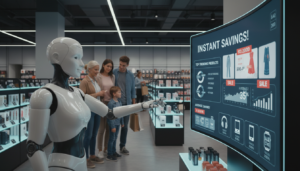
The retail world is changing fast. Technology now powers many parts of buying things on the internet. This shift brings great speed and convenience. But it also introduces new challenges that companies and shoppers must face.
These technological systems handle trillions of dollars in sales each year. Their scale is massive. This makes understanding their impact crucial for any modern business. The goal is to find a smart balance.
Efficiency is important, but so is the human touch. Trust is built when customers feel valued and understood. This article explores how to achieve that balance. We will look at the potential downsides of relying too much on machines.
Getting this right protects both customer happiness and company stability. It helps everyone make better choices for the future of retail.
Key Takeaways
- Automation brings speed but also creates new challenges for retailers and consumers.
- Finding a balance between technology and human interaction is essential for building trust.
- The scale of automated systems in retail is enormous, impacting trillions in sales.
- Understanding potential downsides helps businesses protect customer satisfaction.
- Careful evaluation of technology strategies is necessary before full implementation.
- This section sets the stage for exploring specific risk categories in detail.
Introduction to Over-Automating Online Shopping
Modern retail operations are deeply intertwined with technological systems. These systems handle everything from stocking shelves to processing payments. This integration has fundamentally changed the landscape for both companies and consumers.
Overview of Automation in Retail
The scale of this shift is enormous. The retail sector generated $5.4 trillion in sales in 2019. Giants like Amazon and Walmart lead the way.
Technology now powers many core functions. AI suggests products you might like. Smart systems manage inventory levels without human input. Self-checkout kiosks and chatbot helpers are common sights.
Real-world examples are everywhere. Kroger uses smart-shelf tech to show personalized offers. Amazon Go stores let you grab items and walk out, billing you automatically. These are clear signs of a transformed industry.
Why Automation Matters for Consumers and Businesses
For shoppers, the benefits are significant. They enjoy faster service and suggestions tailored to their tastes. This creates a more convenient and personal experience.
For a business, the gains are financial and operational. Streamlining tasks like restocking and data analysis saves time and money. This allows employees to focus on complex problems.
Even small improvements in efficiency across such a large industry yield massive results. This is why retailers and customers have embraced these new tools so quickly.
Understanding Automation Risks Online Shopping
When implementing automated technologies, retailers confront a spectrum of challenges that can impact both customer satisfaction and business performance. These complications require careful evaluation before full deployment.
Defining Key Automation Challenges
Customer-facing applications carry significantly higher risk than backend systems. Shoppers interact directly with these technologies, forming opinions that affect brand reputation.
The distinction between front-end tools and internal operations determines the level of threats merchants must accept. Personalized recommendations and automated checkout fall into the high-risk category.
Major challenges include cybersecurity threats that expose sensitive customer data. Algorithmic bias can create unfair treatment, while technical failures disrupt normal business functions.
For example, when AI systems malfunction in customer-facing roles, the immediate impact damages trust. This can result in lost sales and negative reviews.
Retailers must evaluate the cost-benefit analysis of each implementation. They need to consider both short-term efficiency gains and long-term reputation management.
While automation promises reduced operational cost and increased revenue, implementation failures can quickly erase these benefits. Proper management is essential for sustainable success.
Data and Privacy Concerns in Automated Retail Systems
Privacy concerns represent one of the most critical considerations in today’s retail environment. Modern systems gather enormous amounts of customer information through various channels. This creates significant security challenges that require careful management.
Data Collection and Customer Information Risks
Retail systems capture detailed data through cameras, sensors, and purchase histories. Even basic details like age and zip code can identify specific individuals. This raises serious privacy concerns about how companies use personal information.
The sensitivity of collected data varies greatly between different types of purchases. While grocery habits might seem harmless, medication purchases demand stronger protection. Retailers must recognize these differences in their security approaches.
Privacy Regulations and Compliance in the U.S.
The California Consumer Privacy Act (CCPA) establishes important protections for American consumers. This regulation requires transparency about data collection practices. It also allows customers to opt out of information sharing.
Compliance goes beyond legal requirements—it builds essential trust. Retailers need robust security measures like encryption and access controls. Regular audits help protect against threats that could expose customer data.
For example, stores tracking shopper movements must clearly explain their practices. Proper communication prevents distrust and legal issues. Effective data protection supports long-term ecommerce success.
Impact on Customer Experience and Trust
The delicate balance between technological efficiency and human connection directly shapes how shoppers perceive and interact with modern retailers. When systems make decisions that feel impersonal, the customer experience suffers significantly.
Customer Perception of Over-Automation
Shoppers often accept personalized recommendations on websites but feel uncomfortable receiving similar text messages while in physical stores. This disconnect highlights varying privacy expectations across different shopping areas.
Traditional stores serve as community spaces where people interact with staff and other customers. Highly automated environments risk creating isolated experiences that eliminate these valuable social connections.
Many customers, particularly older ones, express concerns about facial recognition technology tracking their emotions. Privacy advocates rate the invasive nature of such practices very highly.
Ethical Implications and Bias in Automated Decisions
Algorithmic bias represents a critical ethical challenge for retailers. Apple faced significant backlash when its AI-powered credit card offered women smaller credit lines than men.
The company could not explain this biased outcome, despite gender not being a formal input. This example demonstrates how data patterns can lead to unfair decisions.
When retailers use AI to monitor moods for personalized pricing, they cross ethical boundaries. Systems suggesting medications to customers appearing sad damage trust even when technically legal.
Maintaining access to human support remains essential for building lasting trust. Quality service balances efficiency with genuine human understanding.
Inventory, Operations, and Technological Reliability
Operational stability forms the foundation of successful ecommerce businesses. When technological systems falter, the entire shopping experience suffers immediately. Retailers must maintain robust infrastructure to support daily transactions.
Managing Inventory and Operational Bottlenecks
Inventory management represents a critical challenge for modern retailers. Systems that incorrectly track stock levels create costly problems. Out-of-stock items disappoint customers while excess inventory increases storage costs.
These operational bottlenecks affect revenue across multiple areas. Payment processing failures halt transactions completely. Customers quickly abandon sites that cannot fulfill orders on time.
Cybersecurity and Technical Failures
Security threats pose serious dangers to ecommerce operations. Breaches exposing customer payment data damage reputation for years. Retailers face legal liability and regulatory penalties.
Technical failures disrupt business continuity across distribution centers and customer-facing sites. Blockchain technology enhances protection by distributing data across multiple locations. This approach makes information extremely difficult to compromise.
Connectivity solutions like multi-network SIM cards ensure continuous operations. They automatically switch providers during downtime. This maintains critical tasks like inventory tracking and payment processing.
Implementing comprehensive backup systems protects against primary system failures. Retailers must balance efficiency with redundancy measures. Proper management ensures minimal impact on customer access.
The Future of Retail: Balancing Automation with Human Touch
Retail innovation is entering a new phase focused on hybrid models. Companies worldwide are discovering that combining technological efficiency with personal service creates the strongest customer relationships. This approach represents the most promising path forward for sustainable growth.
Integrating Automation with Personalized Service
Valora’s convenience stores demonstrate this balance effectively. Their locations use self-checkout systems and operate unmanned during night hours. During peak times, human staff provide assistance and restock shelves.
Major retailers like Carrefour and Tesco follow similar strategies. They deploy technology for routine tasks while maintaining personal interaction points. This allows businesses to capture efficiency benefits without sacrificing customer connection.
Innovative Solutions for Sustainable Retail Operations
The future success of retail depends on viewing technology as an enhancement tool. AI systems can analyze customer data to generate relevant product suggestions. Human associates then provide context and build genuine relationships.
Retailers remain optimistic about AI’s potential to add value across operations. Strategic deployment in supply chain and inventory areas improves efficiency. Meanwhile, human staff focus on complex decisions and high-value interactions.
Sustainable operations integrate technological solutions with social responsibility. This ensures benefits reach diverse communities across different geographic areas. The future landscape will reward businesses that balance efficiency with exceptional personalized service.
Conclusion
Achieving lasting success in modern commerce hinges on finding the optimal blend of technological efficiency and personal connection. Retailers must recognize that while automation delivers significant benefits, thoughtful implementation protects customer relationships.
The challenges explored throughout this analysis demonstrate that hybrid approaches work best. Ecommerce businesses should deploy technology for routine operations while maintaining human support for complex interactions. This balance builds essential trust with shoppers.
Forward-thinking retailers view automation as an enhancement tool rather than a complete replacement. They identify specific areas where technology adds genuine value while preserving the human elements that differentiate exceptional shopping experiences.
The future of retail belongs to businesses that strategically integrate innovation with responsibility. Maintaining this careful equilibrium ensures sustainable growth and customer satisfaction across all digital and physical touchpoints.